Novel Studies

These are the novels I return to in the classroom, read closely and taught with care. Here you’ll find how I open a book with students, the passages I linger on, and the questions that let a story do its quiet work. Not summaries — ways in.

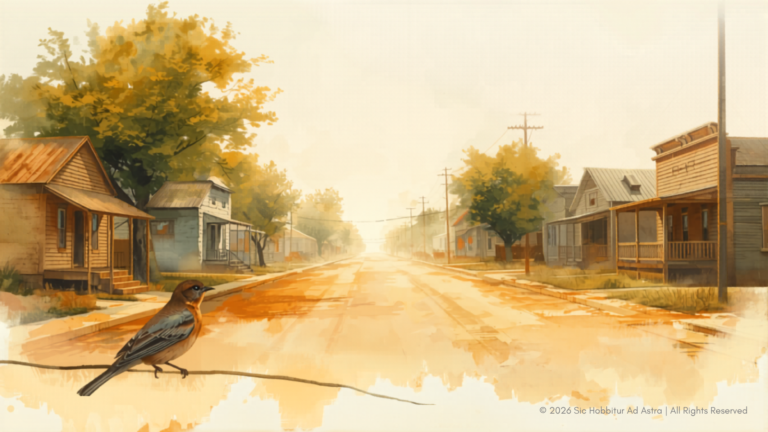
Watercolor illustration of an empty sunlit 1930s Southern street with a mockingbird on a wire, evoking the suspense of waiting in To Kill a Mockingbird
Novel Studies

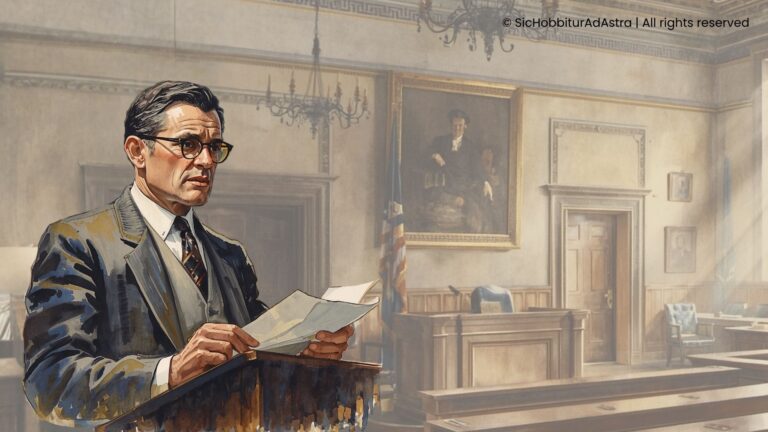
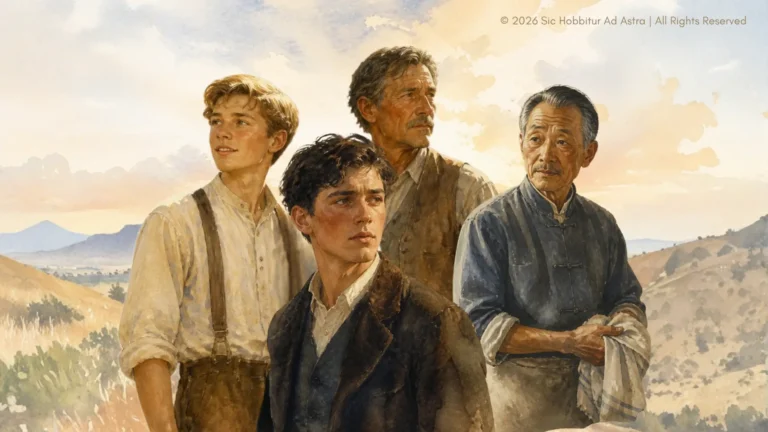
Waiting in To Kill a Mockingbird: Why the Slow First Half Is Already the Heart of the Book

We tend to rush students toward the trial in To Kill a Mockingbird. But the slow first half is where the novel does its quietest work — teaching us to misjudge Boo Radley before we’re asked to judge Tom Robinson. A teacher’s reading of waiting, with ideas for the classroom.

Waiting in To Kill a Mockingbird: Why the Slow First Half Is Already the Heart of the Book Read Post »

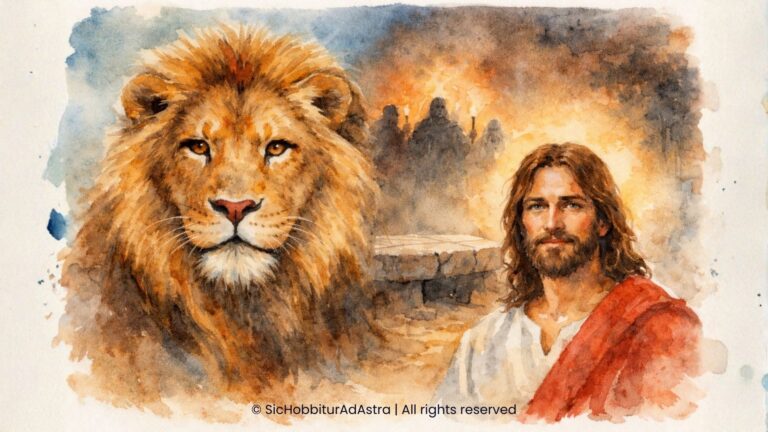
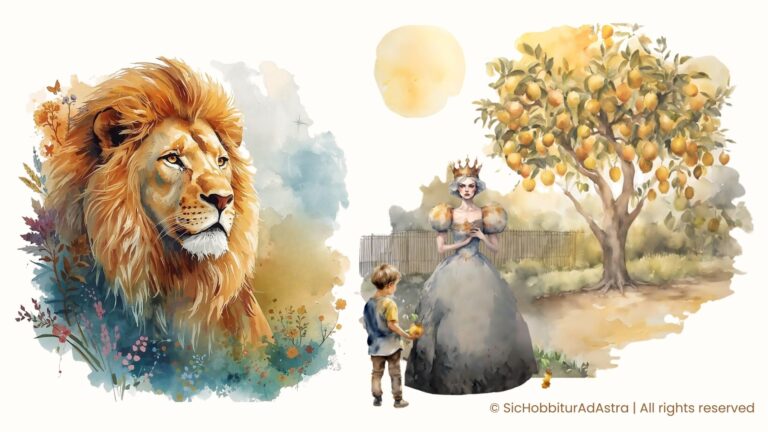
Watercolor illustration showing Aslan singing Narnia into existence on the left, and Digory facing the White Witch in the walled garden on the right, symbolizing creation and moral choice.
Novel Studies

The Magician’s Nephew and the Bible: An Intertextual Comparison

When I read The Magician’s Nephew with my students, they almost always notice echoes of the biblical creation story — and they’re right. In this article I follow three of those echoes: the world sung into being, the naming of the creatures, and the choice in the walled garden — with the questions that open each one up in the classroom.

The Magician’s Nephew and the Bible: An Intertextual Comparison Read Post »

Watercolor painting of C.S. Lewis with snowy Narnia on one side and the Wood Between the Worlds on the other, two arrows above his head pointing to each world, symbolizing the choice of reading order.
Novel Studies

Narnia Reading Order for the Classroom: Publication Order vs Chronological Order

In The Magician’s Nephew, C. S. Lewis wrote the origins of Narnia—yet he wrote them last, five years after The Lion, the Witch and the Wardrobe. This article looks at what that “written later, set first” paradox means for the classroom, and at how the choice between publication and chronological order shapes the way students come to know the series.

Narnia Reading Order for the Classroom: Publication Order vs Chronological Order Read Post »

Scroll to Top