Moral Choice

“Thou mayest.” The freedom to choose who we become runs through the greatest stories. Reflections on free will, responsibility, and the decisions that define a character.

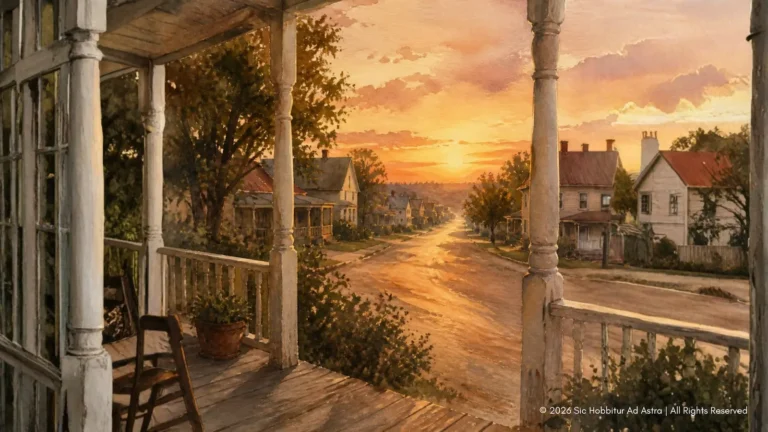
Watercolour of a small-town street at sunset seen from a porch, illustrating why teach To Kill a Mockingbird
Reading recommendations

Why Teach To Kill a Mockingbird: A Novel About Learning to See Each Other

Beyond its themes and its place in the canon, To Kill a Mockingbird teaches something rarer: how to truly know another person — by first being willing to love them. A literature teacher’s case for why the novel is still worth reading, and worth teaching, and how to give it the depth it deserves.

Why Teach To Kill a Mockingbird: A Novel About Learning to See Each Other Read Post »
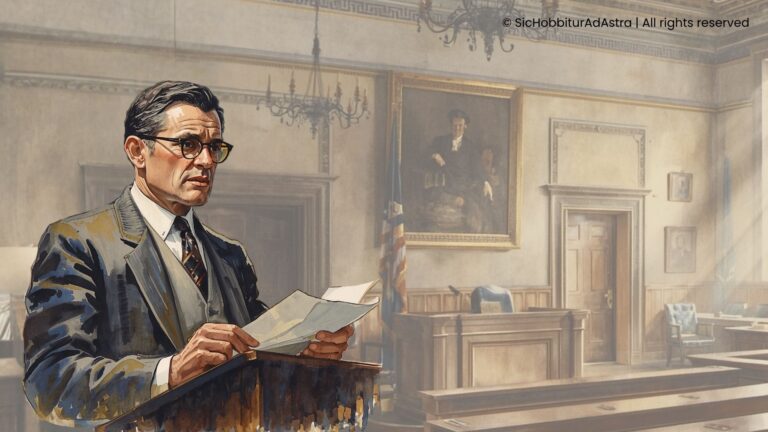
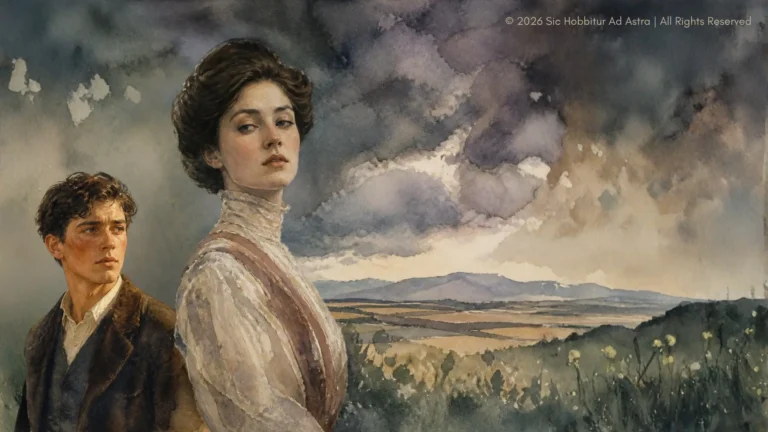
Watercolor illustration of Cathy Ames from East of Eden with Cal in the background, representing the theme of evil and moral conflict
Character Analysis

Cathy Ames and the Mystery of Evil: Understanding One of Literature’s Most Unsettling Characters

Cathy Ames does not invite easy interpretations. In East of Eden, she stands as one of Steinbeck’s most unsettling creations—resisting explanation while quietly reshaping the novel’s moral landscape. This reflection explores her role as a figure of evil, illusion, and moral tension, offering educators a space to engage with one of literature’s most challenging characters.

Cathy Ames and the Mystery of Evil: Understanding One of Literature’s Most Unsettling Characters Read Post »

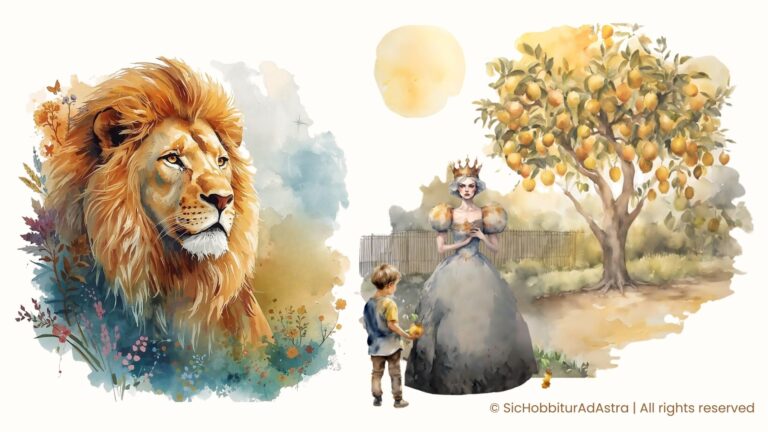
Watercolor illustration showing Aslan singing Narnia into existence on the left, and Digory facing the White Witch in the walled garden on the right, symbolizing creation and moral choice.
Novel Studies

The Magician’s Nephew and the Bible: An Intertextual Comparison

When I read The Magician’s Nephew with my students, they almost always notice echoes of the biblical creation story — and they’re right. In this article I follow three of those echoes: the world sung into being, the naming of the creatures, and the choice in the walled garden — with the questions that open each one up in the classroom.

The Magician’s Nephew and the Bible: An Intertextual Comparison Read Post »

Scroll to Top