Biblical Parallels

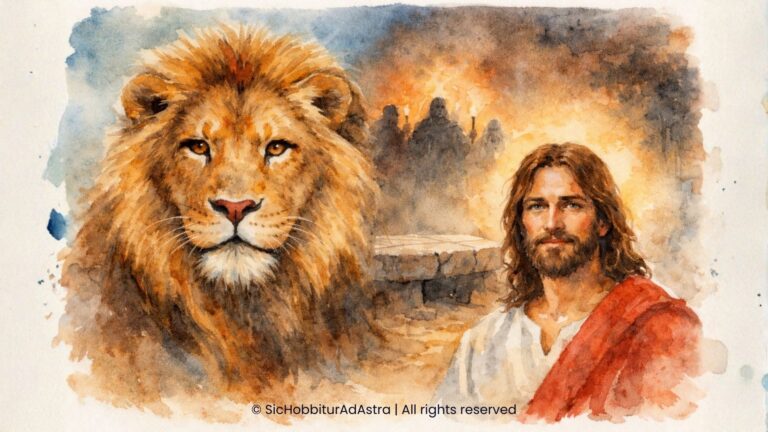
From Genesis to Narnia, scripture echoes through literature. Recognizing biblical patterns and symbols gives students a sharper eye for theme and meaning.

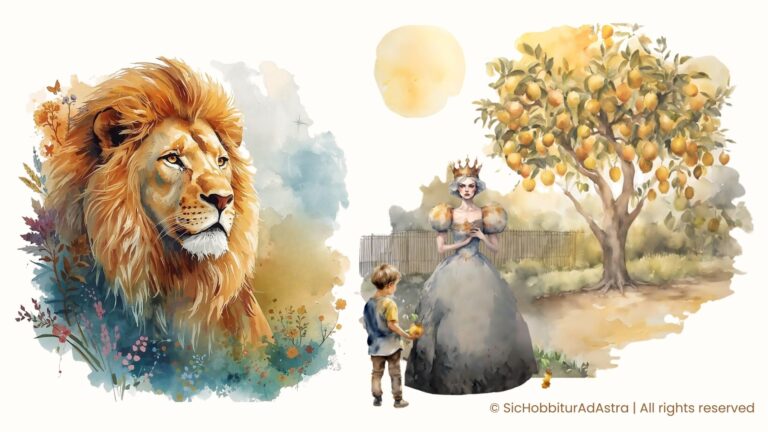
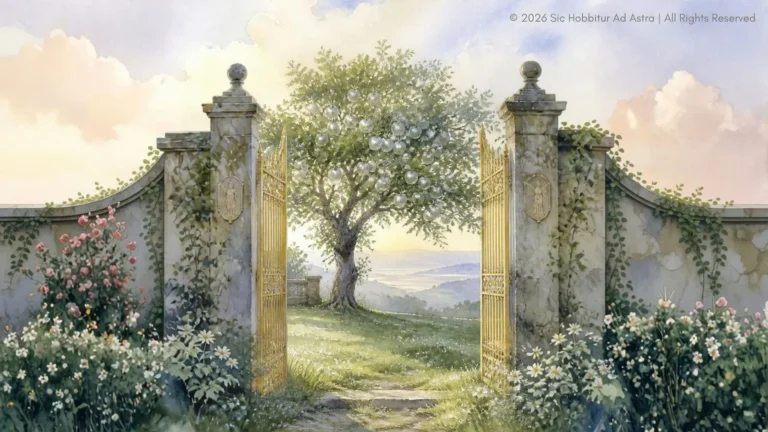
Watercolor illustration showing Aslan singing Narnia into existence on the left, and Digory facing the White Witch in the walled garden on the right, symbolizing creation and moral choice.
Novel Studies

The Magician’s Nephew and the Bible: An Intertextual Comparison

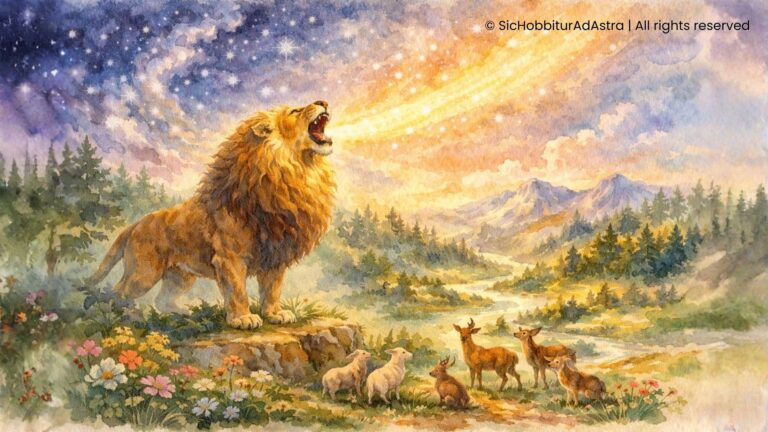
When I read The Magician’s Nephew with my students, they almost always notice echoes of the biblical creation story — and they’re right. In this article I follow three of those echoes: the world sung into being, the naming of the creatures, and the choice in the walled garden — with the questions that open each one up in the classroom.

The Magician’s Nephew and the Bible: An Intertextual Comparison Read Post »

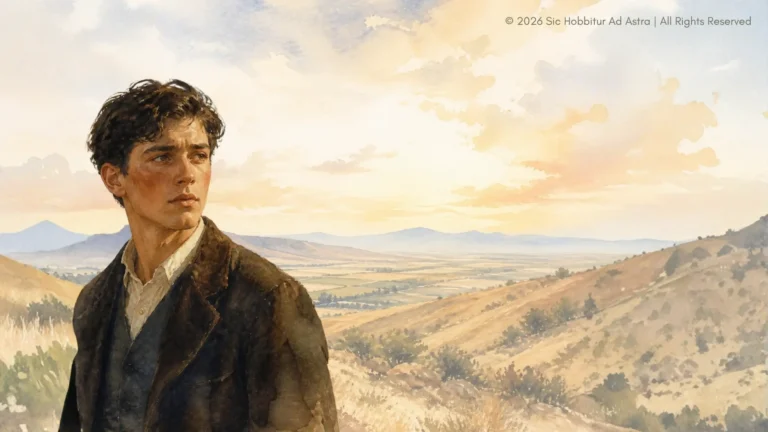
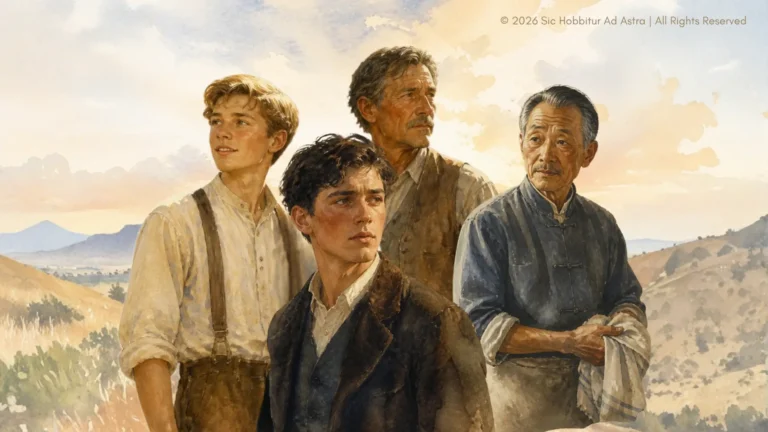
Salinas Valley Watercolor with East of Eden Characters
Novel Studies

What Timshel Means in East of Eden: Choice, Freedom, and Moral Responsibility

In East of Eden, John Steinbeck introduces the Hebrew word timshel — “thou mayest” — as a lens for understanding human choice, moral responsibility, and freedom. This reflection explores how the concept resonates not only for characters like Cal but also for educators navigating the classroom.

What Timshel Means in East of Eden: Choice, Freedom, and Moral Responsibility Read Post »

Scroll to Top