Teachers in Literature

What literature teaches us about teaching. Characters who model attentive presence and the wisdom of the educational gaze — and stories that ask the questions every teacher should sit with: do we truly see our students? Do we believe they are free to become?

Watercolor illustration of Cathy Ames from East of Eden with Cal in the background, representing the theme of evil and moral conflict
Character Analysis

Cathy Ames and the Mystery of Evil: Understanding One of Literature’s Most Unsettling Characters

Cathy Ames does not invite easy interpretations. In East of Eden, she stands as one of Steinbeck’s most unsettling creations—resisting explanation while quietly reshaping the novel’s moral landscape. This reflection explores her role as a figure of evil, illusion, and moral tension, offering educators a space to engage with one of literature’s most challenging characters.

Cathy Ames and the Mystery of Evil: Understanding One of Literature’s Most Unsettling Characters Read Post »

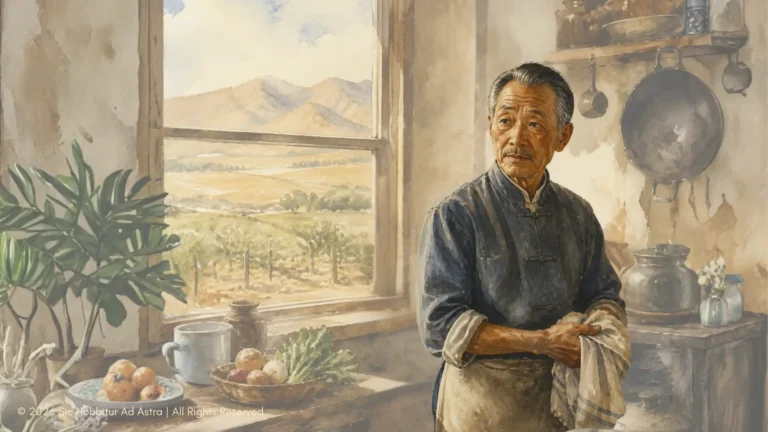
Salinas Valley Watercolor with East of Eden Characters
Novel Studies

What Timshel Means in East of Eden: Choice, Freedom, and Moral Responsibility

In East of Eden, John Steinbeck introduces the Hebrew word timshel — “thou mayest” — as a lens for understanding human choice, moral responsibility, and freedom. This reflection explores how the concept resonates not only for characters like Cal but also for educators navigating the classroom.

What Timshel Means in East of Eden: Choice, Freedom, and Moral Responsibility Read Post »

Scroll to Top