

This blog is shaped by a clear conviction: the materials we choose for our students matter deeply. A few years ago, I made a deliberate decision: my teaching would be guided by depth and meaning. Every text, story, and film I propose is the result of a personal and thoughtful choice, selected from books and films I have personally read, studied, loved, and found significant, profound, and enduring. And here we are!
Here you will find my most meaningful teaching resources for middle and high school classrooms. These include lesson ideas, character analysis activities, thematic discussions, classroom strategies, teaching suggestions, and educational movie activities. All are designed to help students engage with high-quality material. Analysis becomes discovery, and stories become encounters. They are not chosen simply because they fit a syllabus; they are rich in beauty, depth, and human insight, and worthy of attentive reading, discussion, and reflection.
Whether we explore epic poetry, modern fiction, fantasy worlds, foundational myths, or significant films, the goal is the same: helping students engage with meaningful literature, read and watch attentively, think deeply, and grow intellectually and morally. Students deserve what is most beautiful, most challenging, and most significant in storytelling.
Latest Posts
-
What Makes a Character Relatable to Middle School Students?
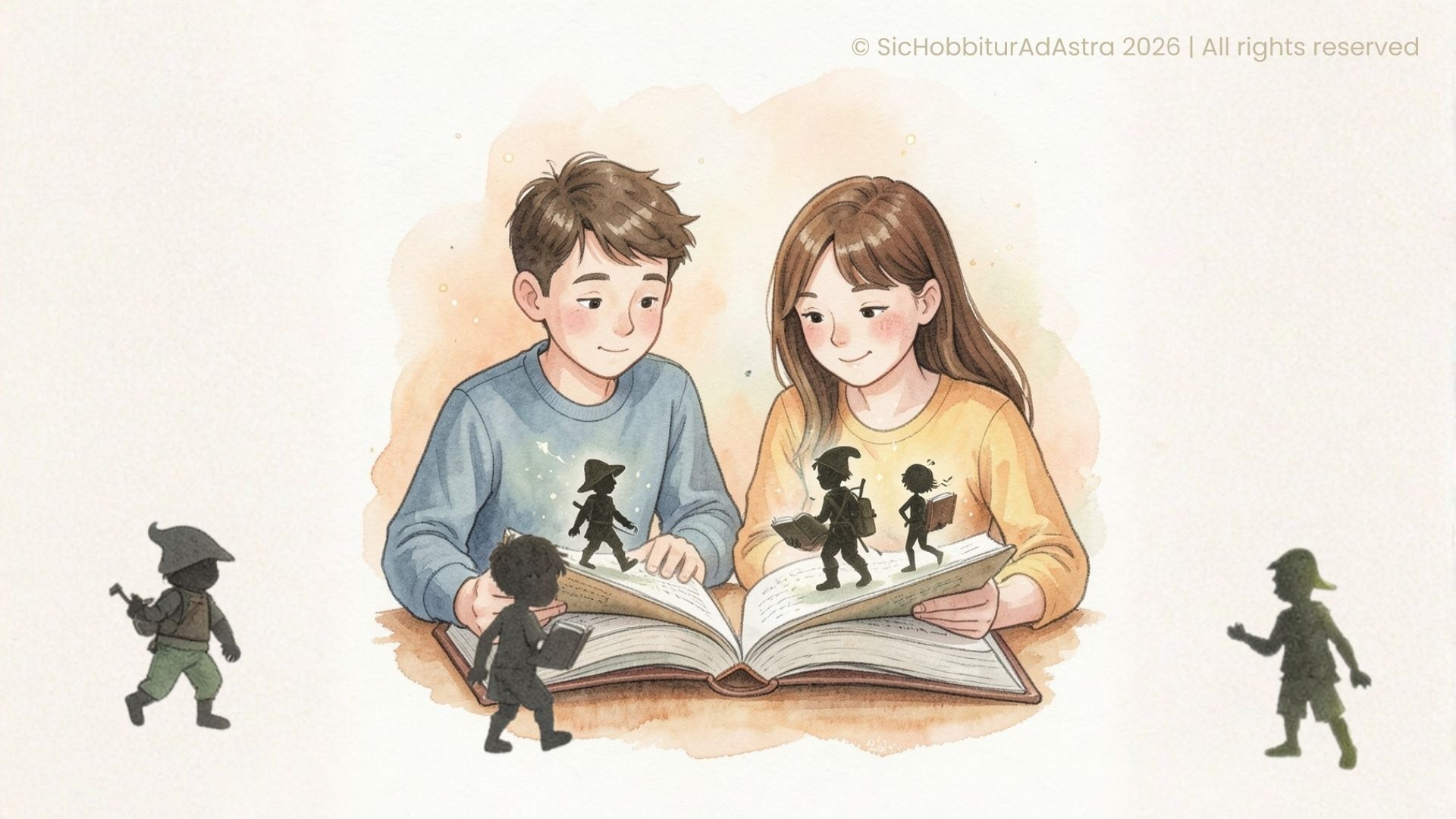 C.S. Lewis – The Lion, the Witch and the Wardrobe, C.S. Lewis – The Magician’s Nephew, H. Lee – To Kill a Mockingbird, Homer’s The Iliad, J.R.R. Tolkien – The HobbitRead more: What Makes a Character Relatable to Middle School Students?
Why do some literary characters stay with students long after the last page is turned? This article explores vulnerability, inner conflict, and personal growth as key elements that help middle school readers connect deeply with stories across classic and modern literature.
-
What Timshel Means in East of Eden: Choice, Freedom, and Moral Responsibility
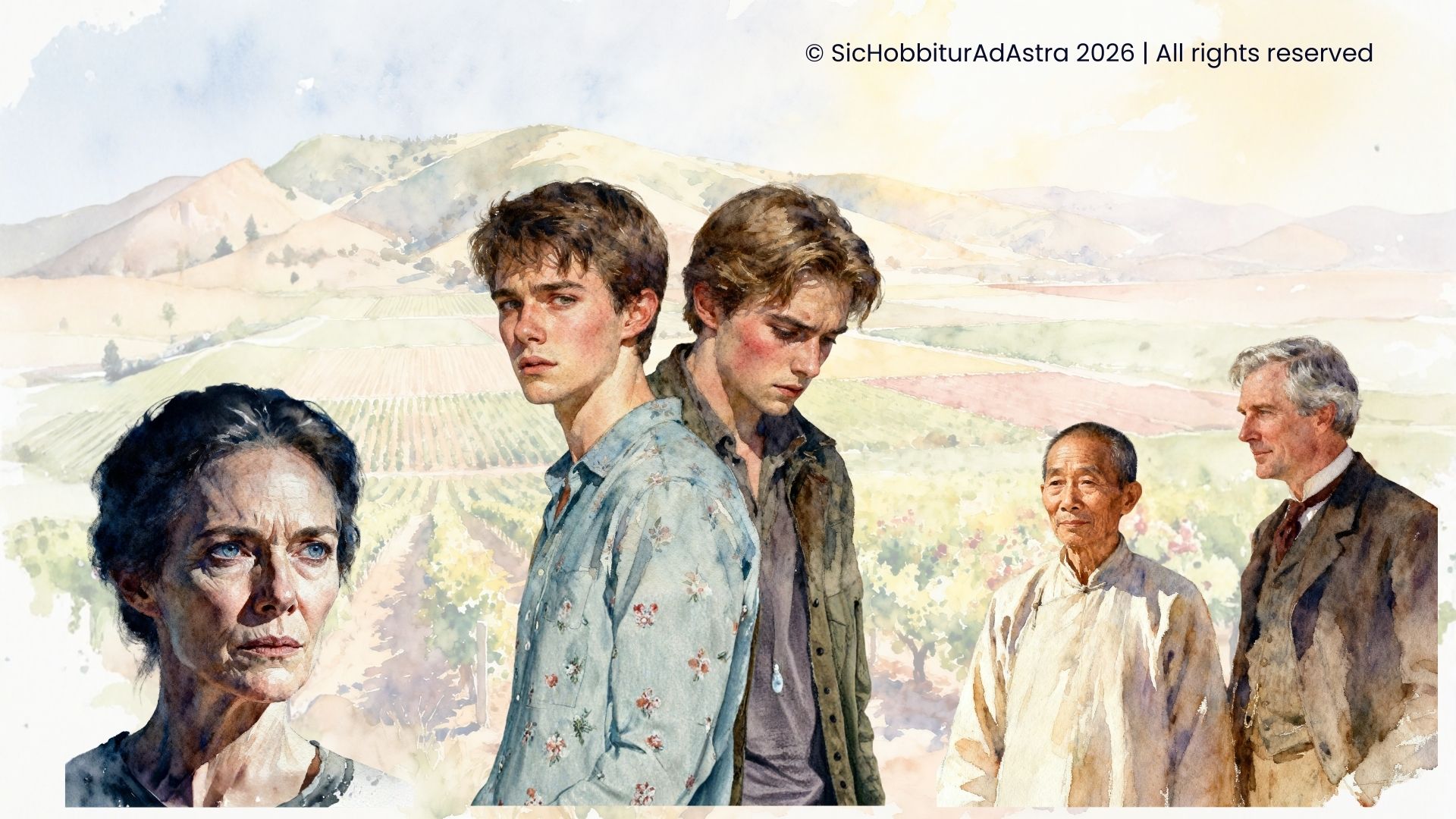 Read more: What Timshel Means in East of Eden: Choice, Freedom, and Moral Responsibility
In East of Eden, John Steinbeck introduces the Hebrew word timshel — “thou mayest” — as a lens for understanding human choice, moral responsibility, and freedom. This reflection explores how the concept resonates not only for characters like Cal but also for educators navigating the classroom.
-
East of Eden by John Steinbeck: A Must-Read for Educators
 Read more: East of Eden by John Steinbeck: A Must-Read for Educators
To teach deeply, teachers must first read deeply. East of Eden by John Steinbeck illuminates the struggles of family, the weight of legacy, and the power of freedom — lessons that every educator can carry into their classroom.
-
Building Classroom Community with Remember the Titans
 Read more: Building Classroom Community with Remember the Titans
Students can sit side by side every day and still remain strangers. Inspired by Remember the Titans, this article explores how structured reflection can transform a group of individuals into a classroom community built on trust, listening, and shared growth.
-
A Pre-Reading Roadmap for To Kill a Mockingbird
 Read more: A Pre-Reading Roadmap for To Kill a Mockingbird
How can we help students truly understand Maycomb before reading To Kill a Mockingbird? This article explores a pre-reading approach centered on identity, stereotypes, and community rules—key concepts that reveal how Maycomb is not just the setting of the novel, but a system that shapes characters, conflict, and meaning.
-
The White Witch and the Concept of Tyranny: Teaching Power and Justice Through Fantasy
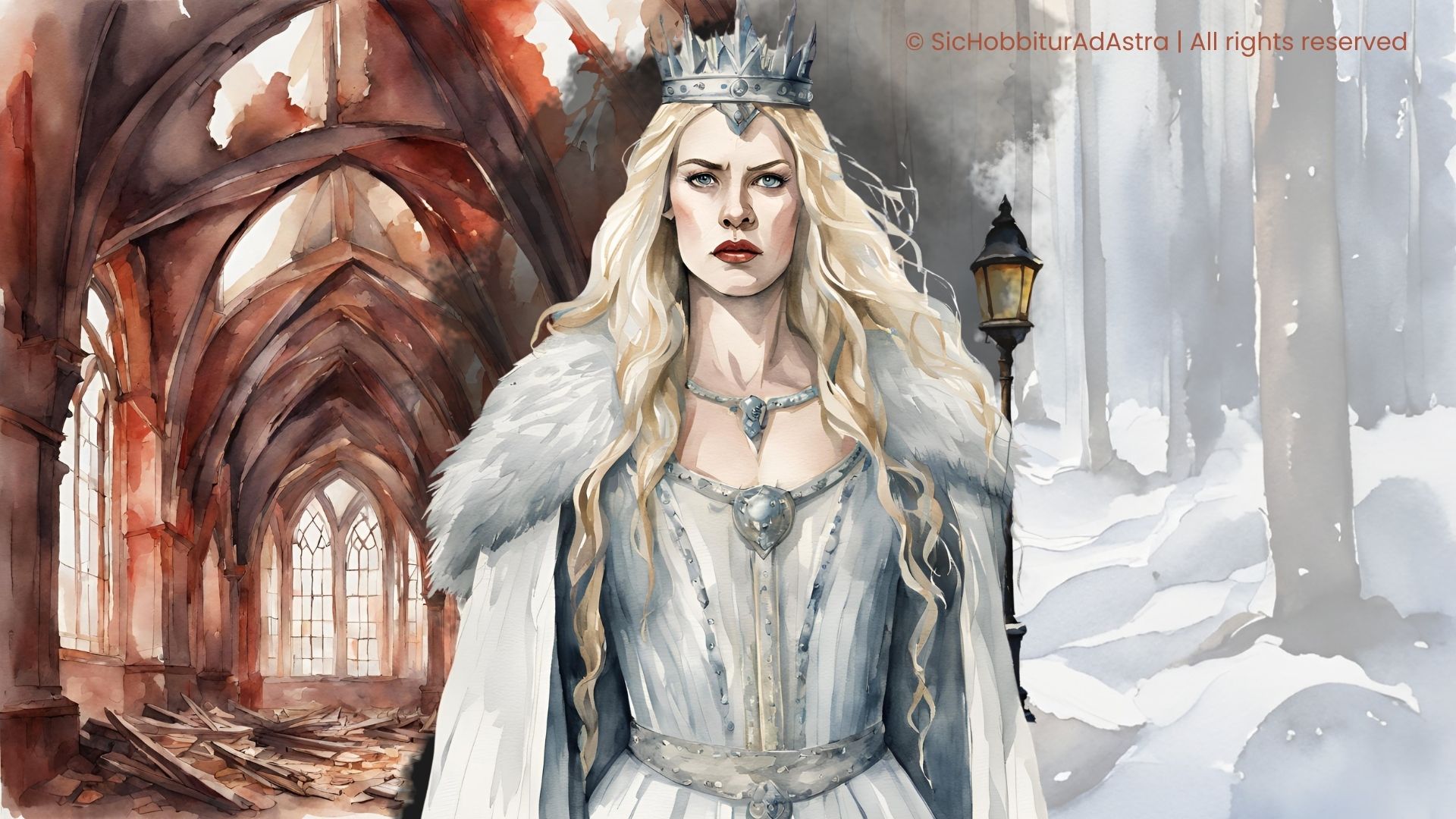 Read more: The White Witch and the Concept of Tyranny: Teaching Power and Justice Through Fantasy
The White Witch in Narnia exemplifies tyranny and power: what about some dynamic, interdisciplinary classroom activities to help students reflect on justice, ethics, and moral decision-making through Lewis’s fantasy novels?
- Back to School (3)
- Books That Shape Teachers (1)
- C.S. Lewis (4)
- C.S. Lewis – The Lion, the Witch and the Wardrobe (4)
- C.S. Lewis – The Magician's Nephew (3)
- Classroom Management (1)
- East of Eden (2)
- Educational Movie Activities (4)
- H. Lee – To Kill a Mockingbird (3)
- Homer's The Iliad (5)
- J.R.R. Tolkien – The Hobbit (6)
- Mythology (5)
- Reading suggestions (6)
- Social Emotional Learning (1)
- Teaching suggestions (11)