

This teaching blog is shaped by a clear conviction: the books and stories we choose for our students matter deeply. Every text, story, and film I write about is the result of a personal and thoughtful choice — selected from what I have personally read, studied, loved, and found significant, profound, and enduring.
Here you will find reflections, analyses, and ideas for middle and high school classrooms. Analysis becomes discovery, and stories become encounters. They are not chosen simply because they fit a syllabus; they are rich in beauty, depth, and human insight — and students deserve what is most beautiful, most challenging, and most significant in storytelling. This teaching blog is where that search begins.
Latest Posts
-
Atticus Finch’s Closing Argument: A Teacher’s Guide to Chapter 20 of To Kill a Mockingbird
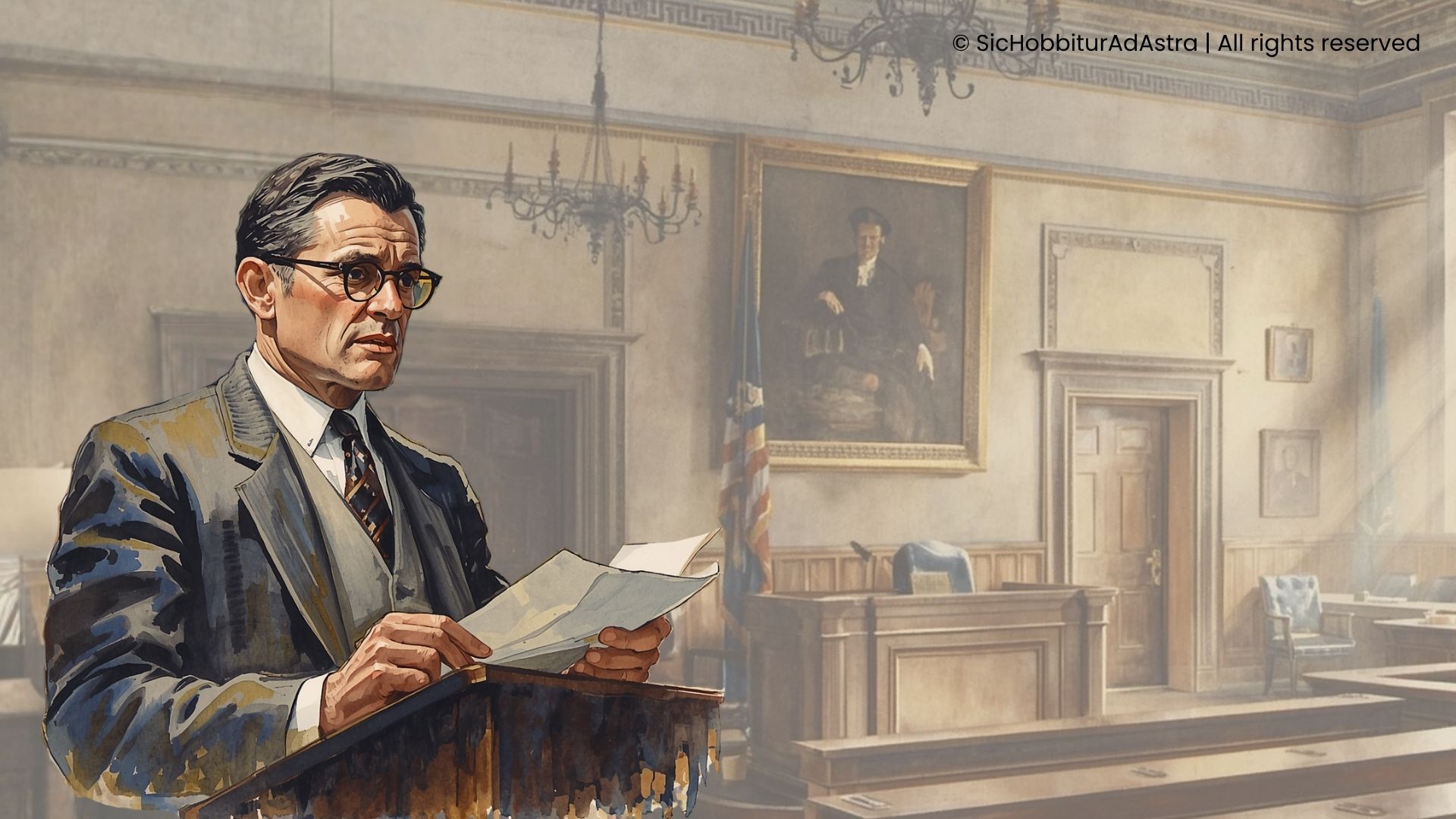 Read more: Atticus Finch’s Closing Argument: A Teacher’s Guide to Chapter 20 of To Kill a Mockingbird
Atticus Finch’s closing argument works as a legal argument, a study in rhetoric, a moral challenge, and a historical document — all at once. Here is how I read it, and what I have found most productive for teaching it.
-
Teaching East of Eden in High School: Are We Free to Choose Who We Become?
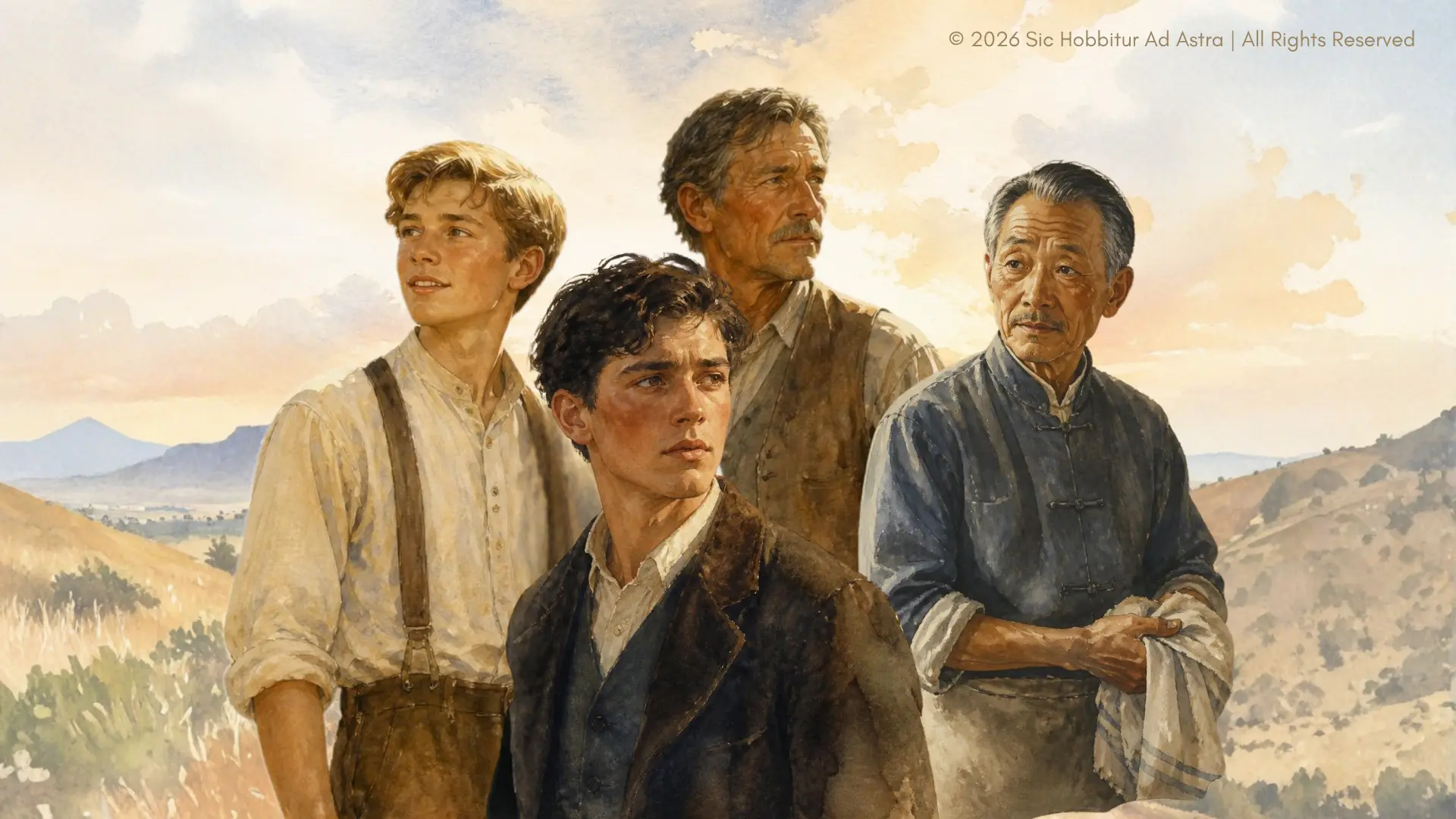 Read more: Teaching East of Eden in High School: Are We Free to Choose Who We Become?
Steinbeck called it his most ambitious novel. At over 600 pages, with a cast of characters spanning two generations, East of Eden is not an easy text to teach. This guide explains why it belongs in your high school classroom anyway — and how to make it work.
-
Lee in J. Steinbeck’s East of Eden: The Wisdom of the Margins
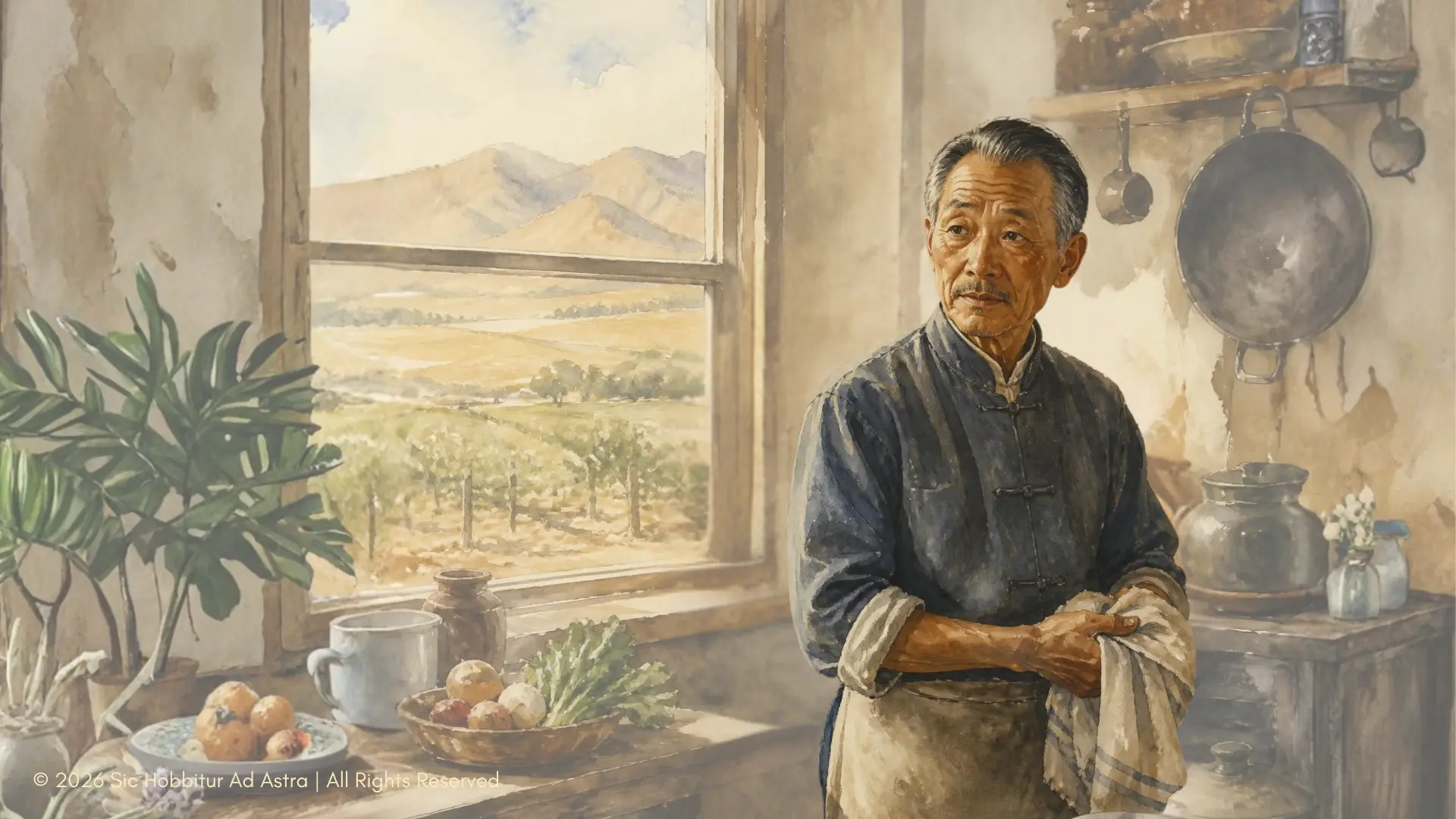 Read more: Lee in J. Steinbeck’s East of Eden: The Wisdom of the Margins
In East of Eden, Lee speaks broken English by choice, studies Hebrew for fifteen years, and raises two boys who are not his own. Steinbeck called him a better man than himself. This article explores why.
-
Cathy Ames and the Mystery of Evil: Understanding One of Literature’s Most Unsettling Characters
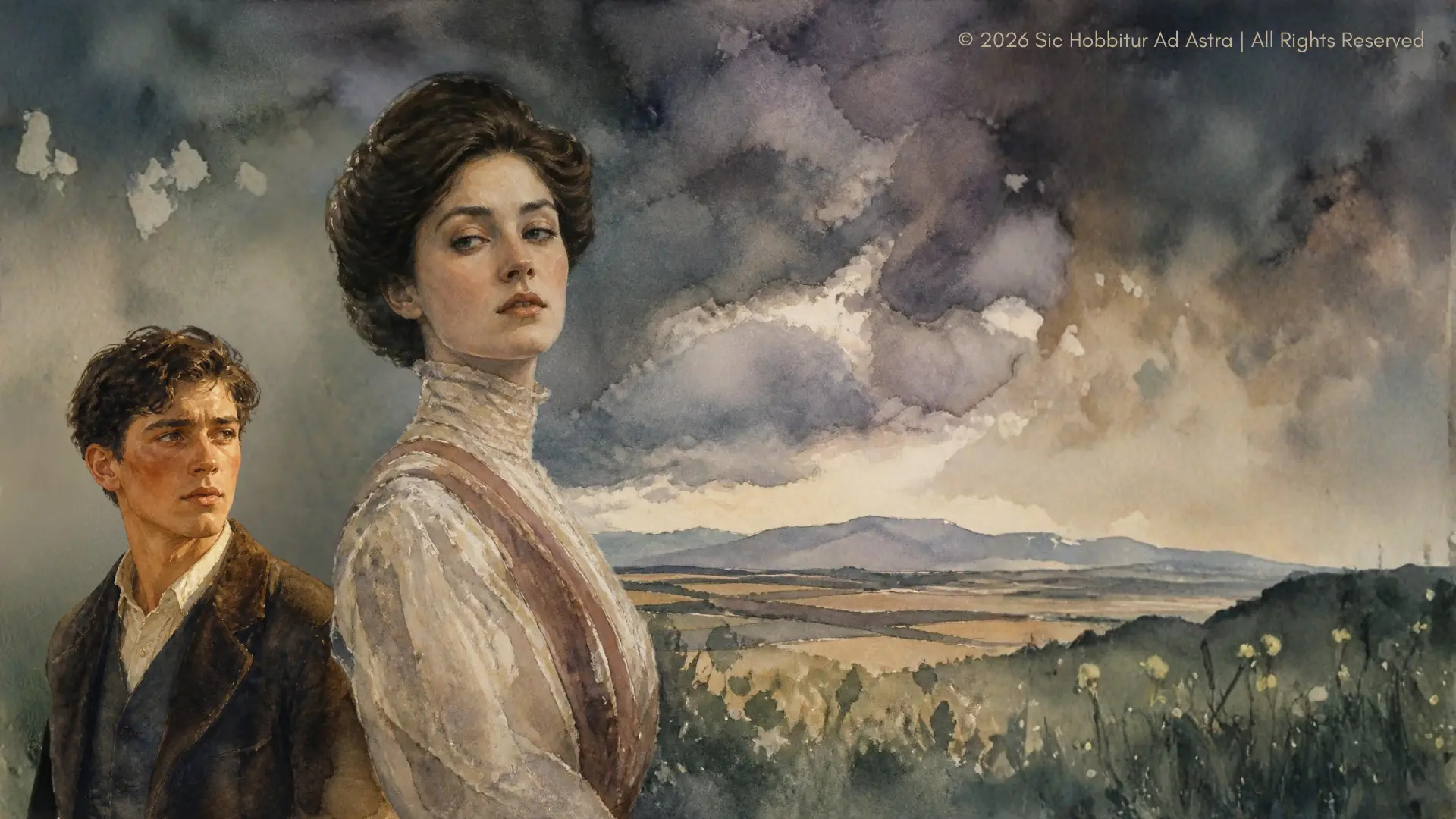 Read more: Cathy Ames and the Mystery of Evil: Understanding One of Literature’s Most Unsettling Characters
Cathy Ames does not invite easy interpretations. In East of Eden, she stands as one of Steinbeck’s most unsettling creations—resisting explanation while quietly reshaping the novel’s moral landscape. This reflection explores her role as a figure of evil, illusion, and moral tension, offering educators a space to engage with one of literature’s most challenging characters.
-
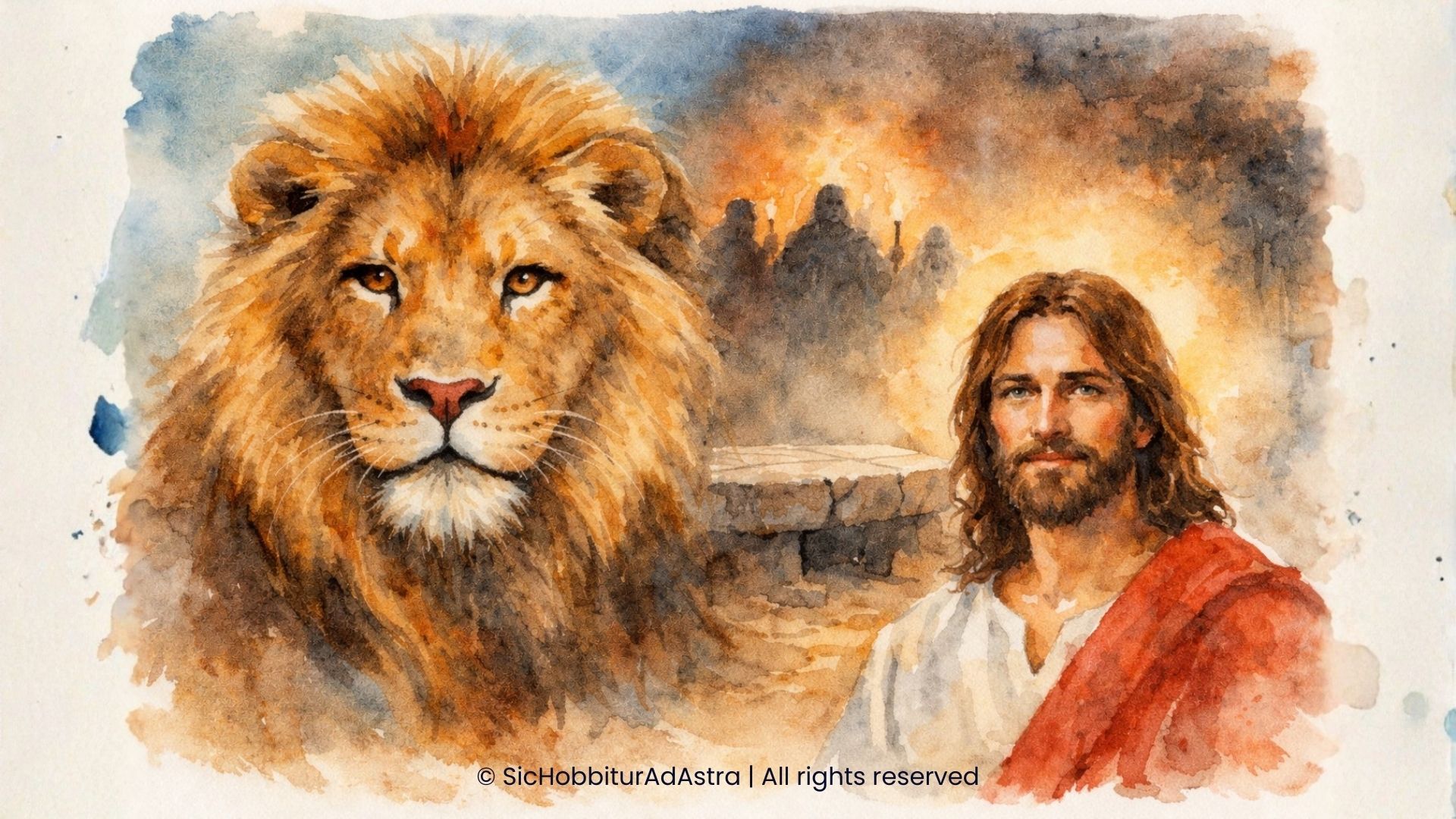
The Lion, the Witch and the Wardrobe Allegory: Understanding C.S. Lewis’s Intent
 Read more: The Lion, the Witch and the Wardrobe Allegory: Understanding C.S. Lewis’s Intent
Explore whether The Lion, the Witch and the Wardrobe is a true allegory or a rich imaginative supposal by C.S. Lewis, and learn how this distinction can deepen students’ understanding of Aslan and the novel’s themes of redemption, sacrifice, and moral growth.
-
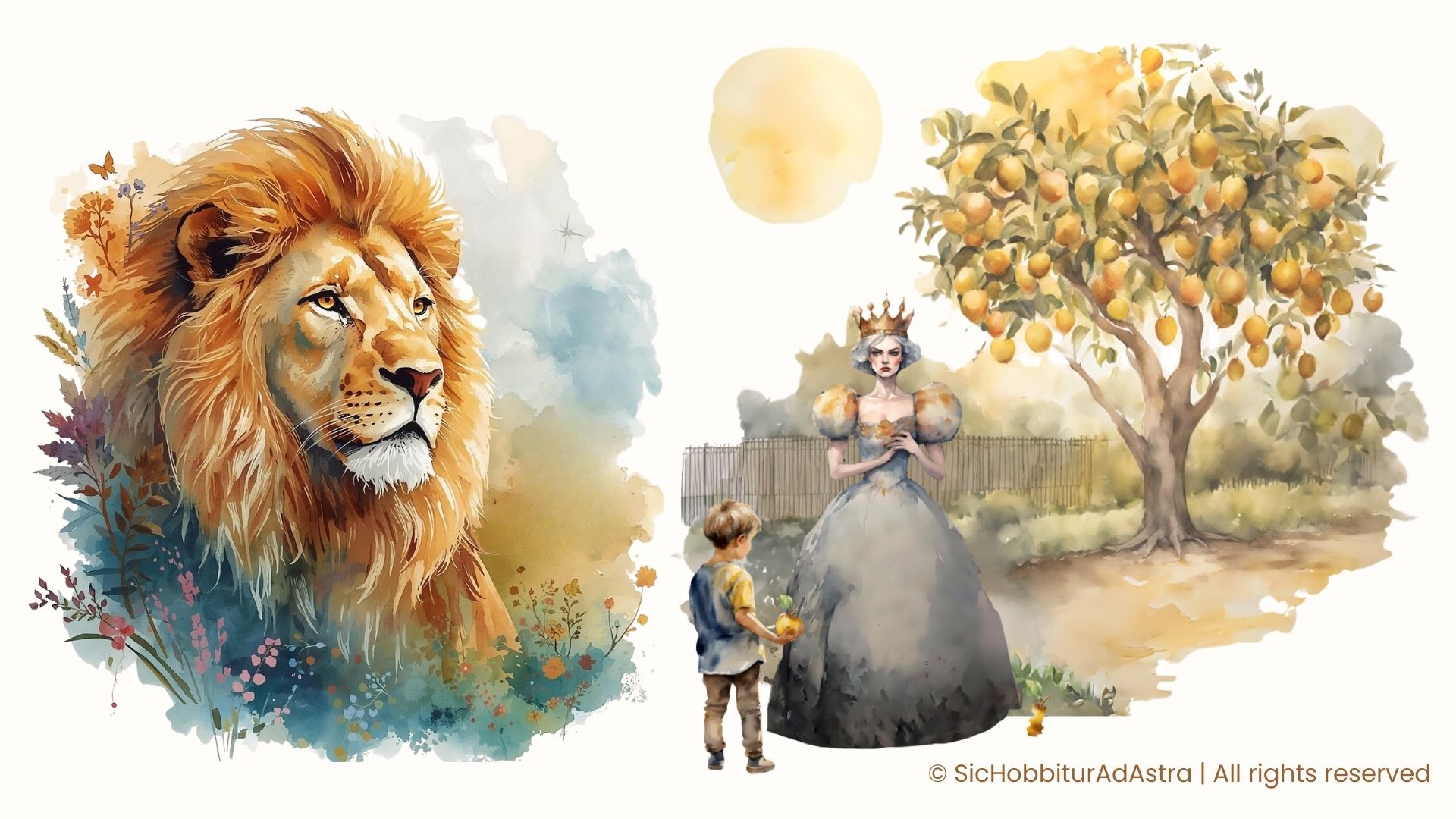
The Magician’s Nephew and the Bible: An Intertextual Comparison
 Read more: The Magician’s Nephew and the Bible: An Intertextual Comparison
When I read The Magician’s Nephew with my students, they almost always notice echoes of the biblical creation story — and they’re right. In this article I follow three of those echoes: the world sung into being, the naming of the creatures, and the choice in the walled garden — with the questions that open…