

This teaching blog is shaped by a clear conviction: the books and stories we choose for our students matter deeply. Every text, story, and film I write about is the result of a personal and thoughtful choice — selected from what I have personally read, studied, loved, and found significant, profound, and enduring.
Here you will find reflections, analyses, and ideas for middle and high school classrooms. Analysis becomes discovery, and stories become encounters. They are not chosen simply because they fit a syllabus; they are rich in beauty, depth, and human insight — and students deserve what is most beautiful, most challenging, and most significant in storytelling. This teaching blog is where that search begins.
Latest Posts
-
Narnia Reading Order for the Classroom: Publication Order vs Chronological Order
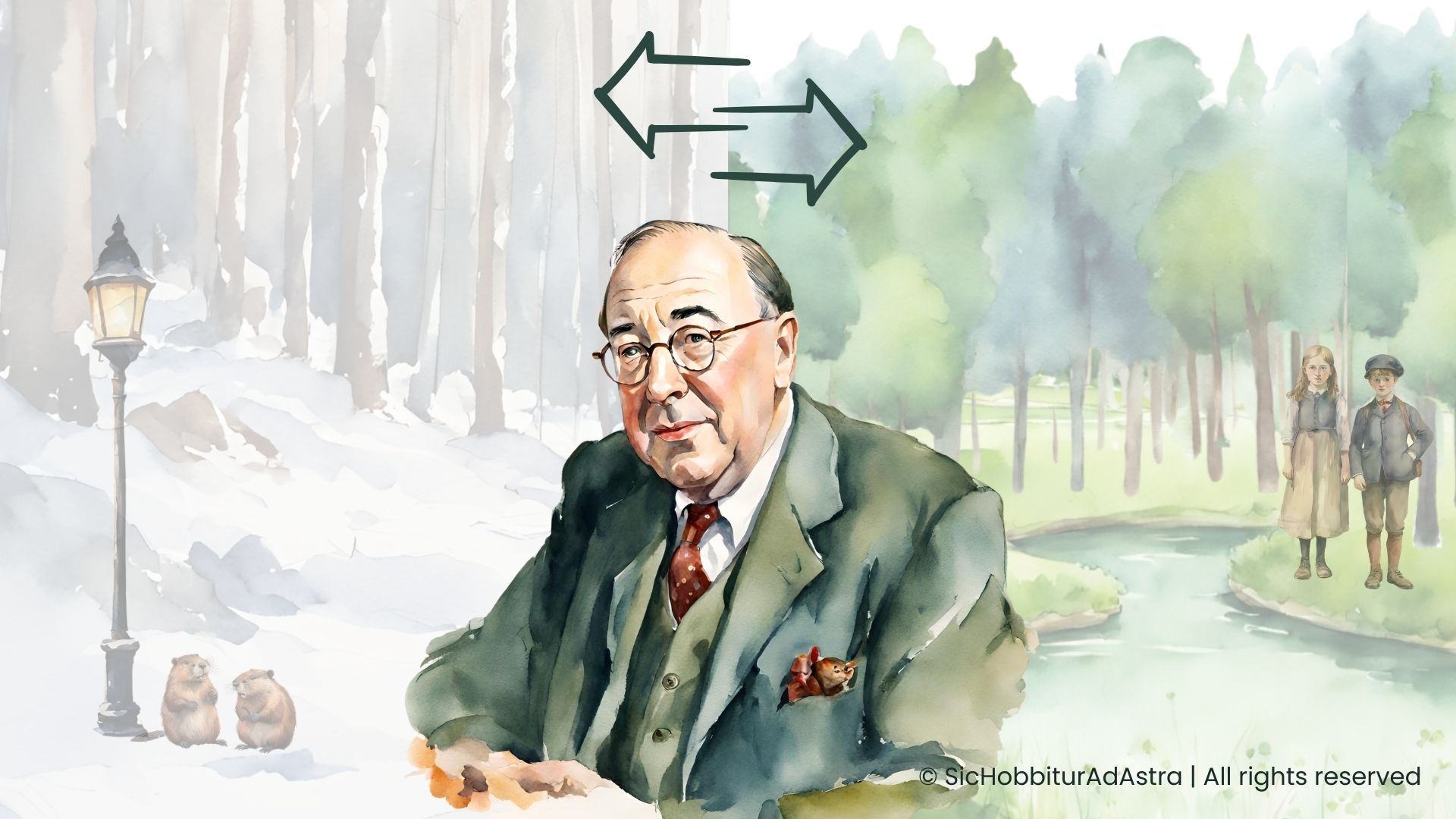 Read more: Narnia Reading Order for the Classroom: Publication Order vs Chronological Order
In The Magician’s Nephew, C. S. Lewis wrote the origins of Narnia—yet he wrote them last, five years after The Lion, the Witch and the Wardrobe. This article looks at what that “written later, set first” paradox means for the classroom, and at how the choice between publication and chronological order shapes the way students…
-
When History Needs a Story: Why Imperium Is a great Historical Fiction About Cicero for Students
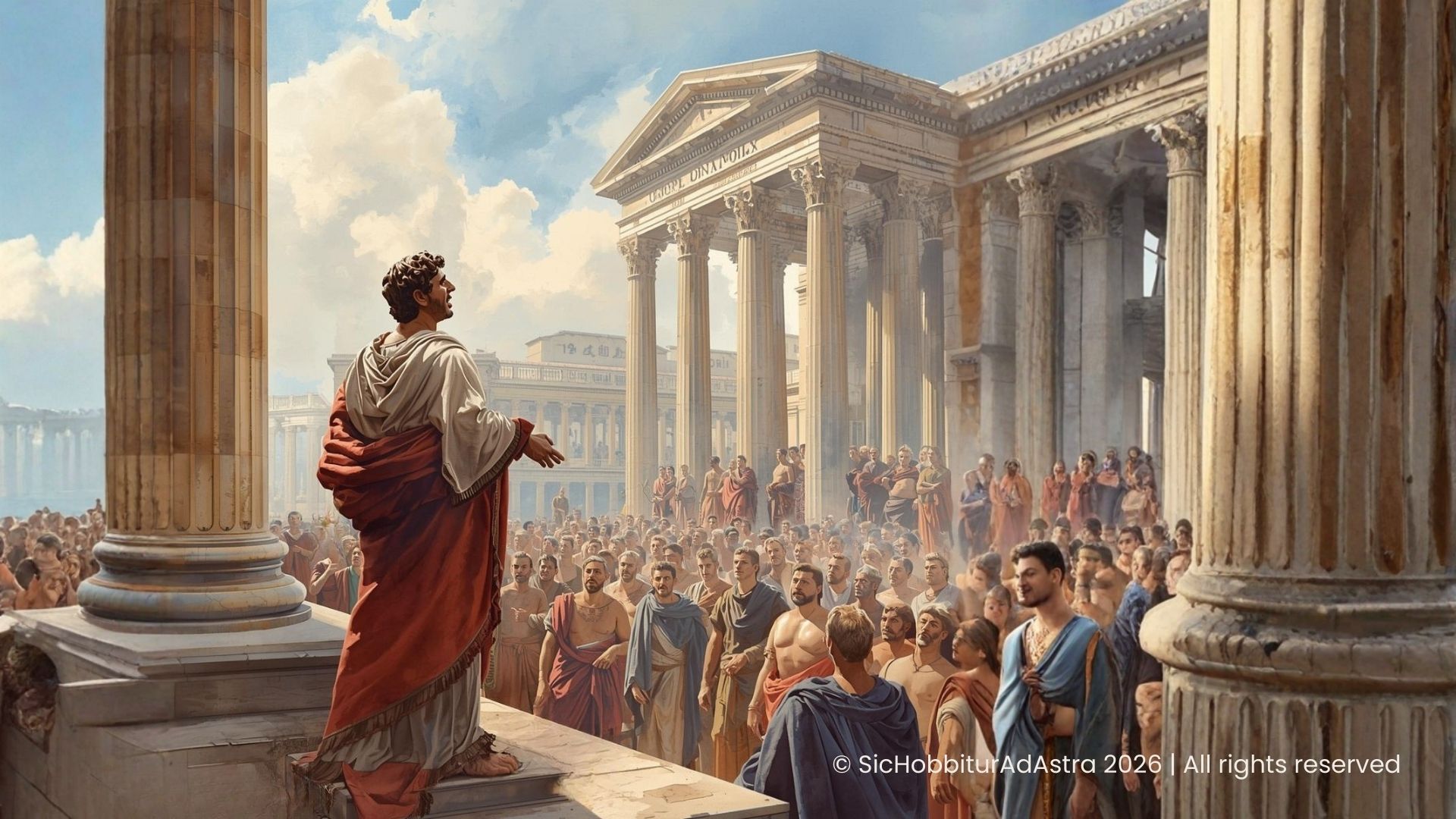 Read more: When History Needs a Story: Why Imperium Is a great Historical Fiction About Cicero for Students
Cicero comes alive in the streets and Forum of ancient Rome—his speeches, ambitions, and moral challenges unfolding in real time. In Robert Harris’ Imperium, students encounter the drama, tension, and intrigue of the Roman Republic in a way that captivates even those usually reluctant to read novels.
-
What Makes a Character Relatable to Middle School Students?
 Read more: What Makes a Character Relatable to Middle School Students?
Why do some literary characters stay with students long after the last page is turned? This article explores vulnerability, inner conflict, and personal growth as key elements that help middle school readers connect deeply with stories across classic and modern literature.
-
What Timshel Means in East of Eden: Choice, Freedom, and Moral Responsibility
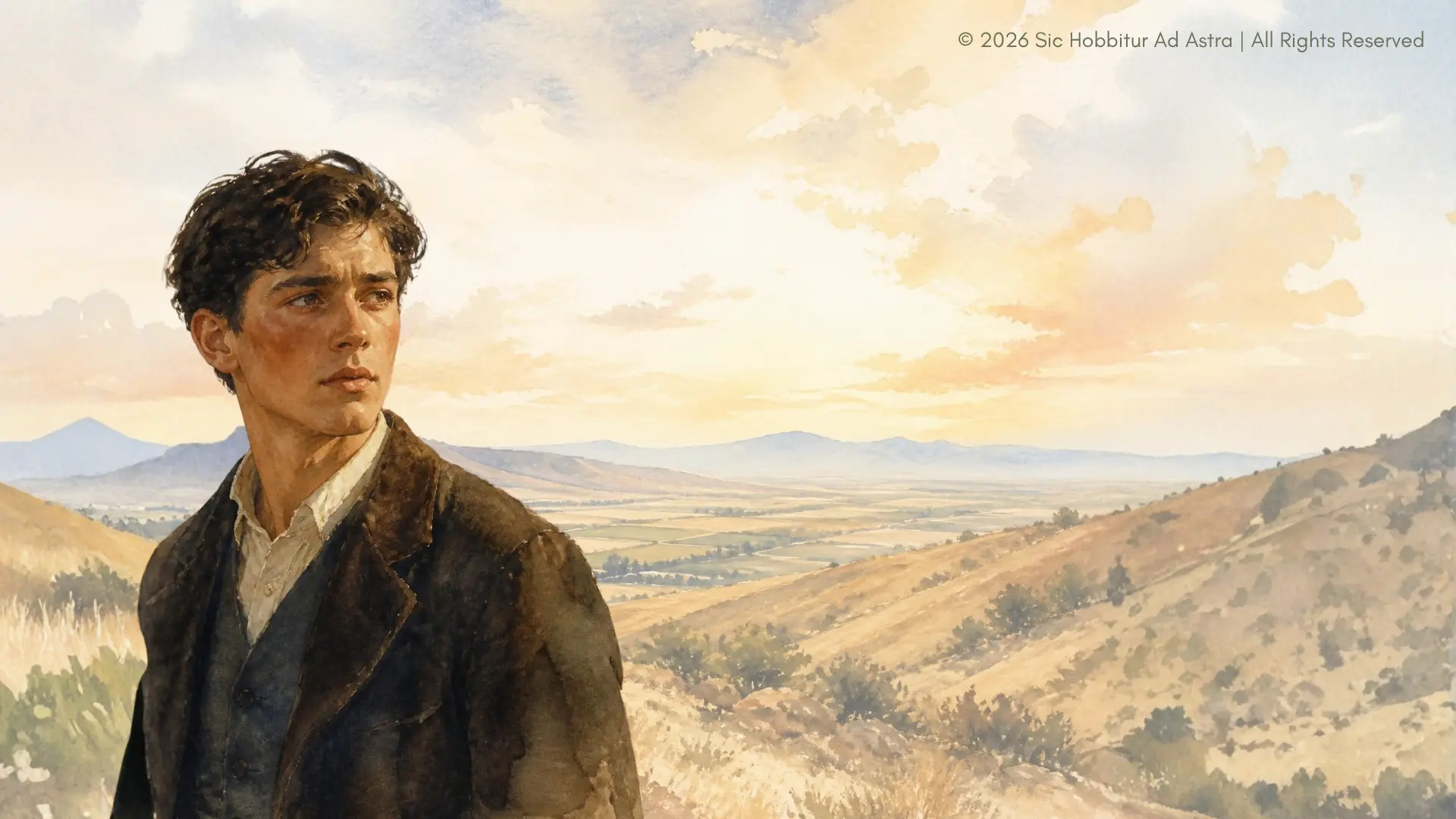 Read more: What Timshel Means in East of Eden: Choice, Freedom, and Moral Responsibility
In East of Eden, John Steinbeck introduces the Hebrew word timshel — “thou mayest” — as a lens for understanding human choice, moral responsibility, and freedom. This reflection explores how the concept resonates not only for characters like Cal but also for educators navigating the classroom.
-
East of Eden by John Steinbeck: A Must-Read for Educators
 Read more: East of Eden by John Steinbeck: A Must-Read for Educators
To teach deeply, teachers must first read deeply. East of Eden by John Steinbeck illuminates the struggles of family, the weight of legacy, and the power of freedom — lessons that every educator can carry into their classroom.
-
Building Classroom Community with Remember the Titans
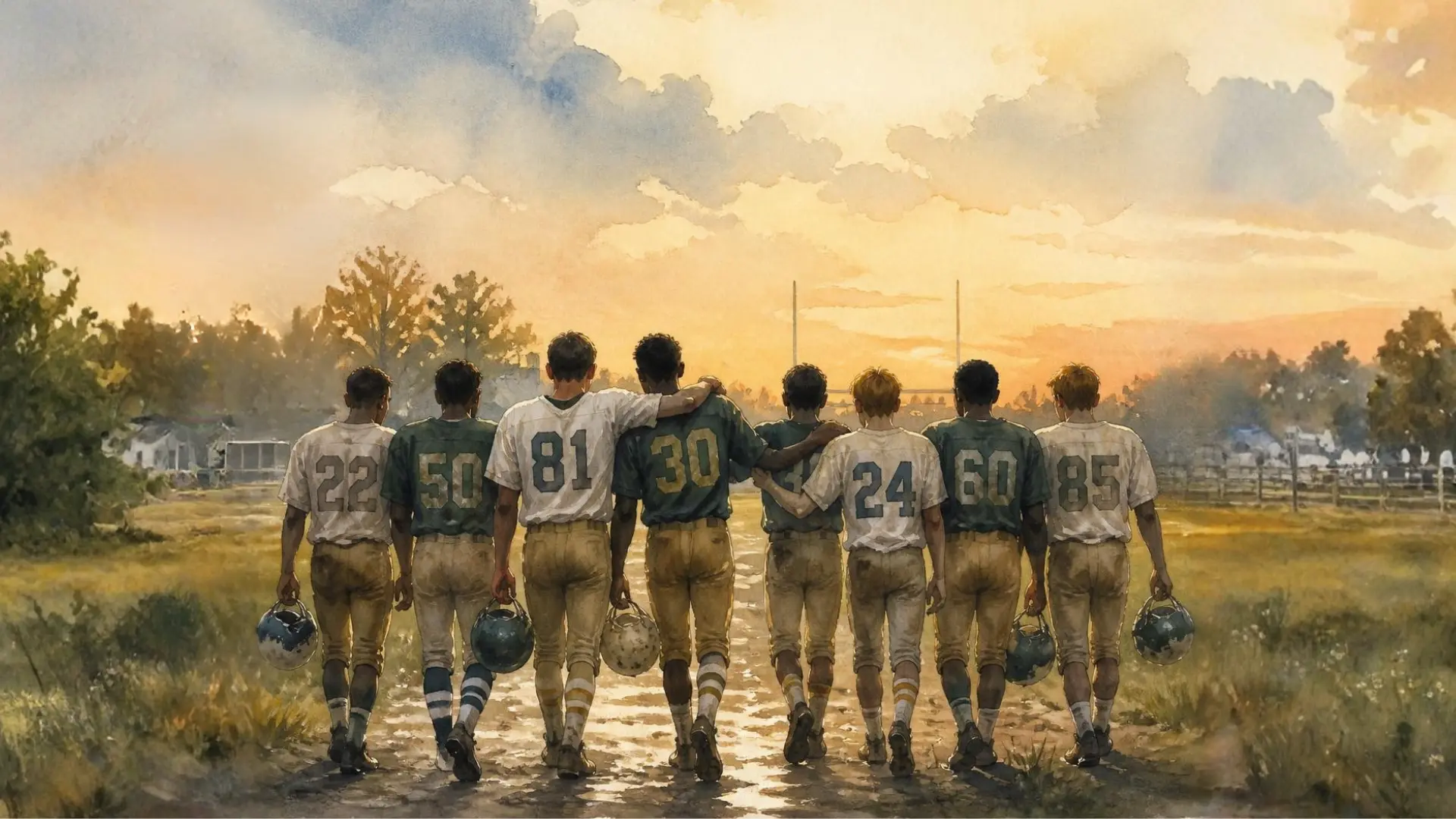 Read more: Building Classroom Community with Remember the Titans
A class can read well and still not know how to be together. Here’s the film I return to when a group needs to become a team — Remember the Titans — and the reflection activity that grows out of it, for the slow work of helping students actually see one another.