

This teaching blog is shaped by a clear conviction: the books and stories we choose for our students matter deeply. Every text, story, and film I write about is the result of a personal and thoughtful choice — selected from what I have personally read, studied, loved, and found significant, profound, and enduring.
Here you will find reflections, analyses, and ideas for middle and high school classrooms. Analysis becomes discovery, and stories become encounters. They are not chosen simply because they fit a syllabus; they are rich in beauty, depth, and human insight — and students deserve what is most beautiful, most challenging, and most significant in storytelling. This teaching blog is where that search begins.
Latest Posts
-
What’s in a Name: Teaching the “Nobody” Trick That Nolan Left Out
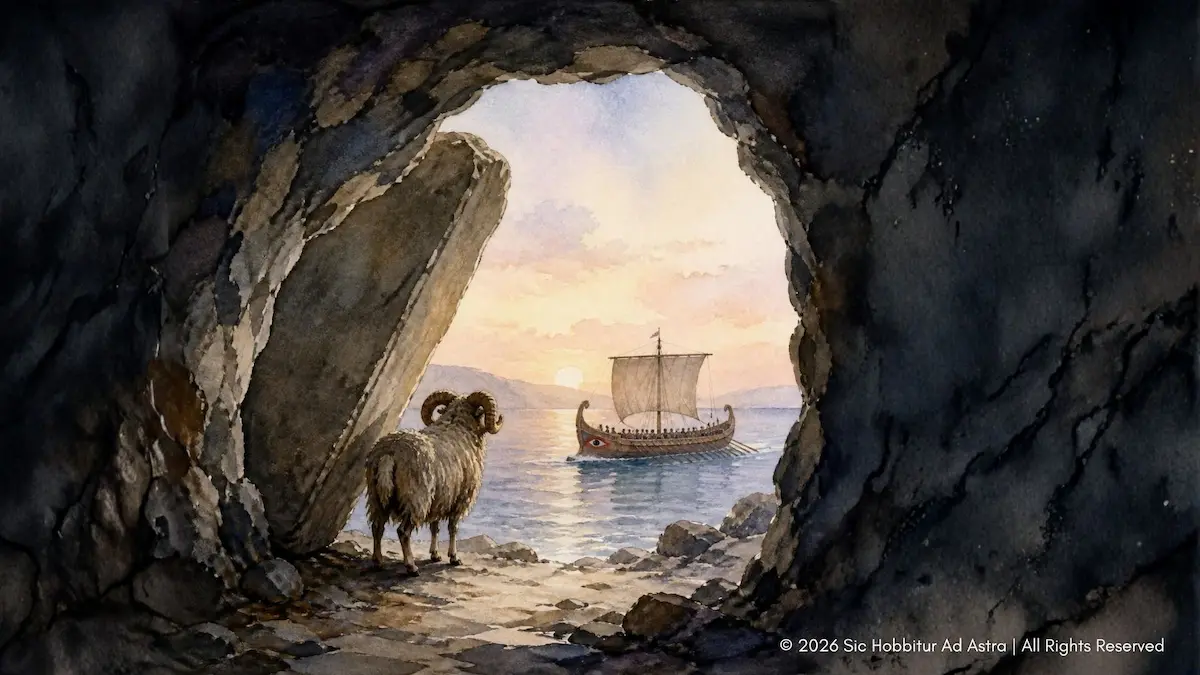 Read more: What’s in a Name: Teaching the “Nobody” Trick That Nolan Left Out
Nolan’s Odyssey keeps the Cyclops and drops the one word that makes the episode work. Here’s what that word holds, what the episode loses without it, and how to bring a Greek pun alive for students who will never read Greek.
-
The Teacher I Want to Become: Why I Show My Students Les Choristes
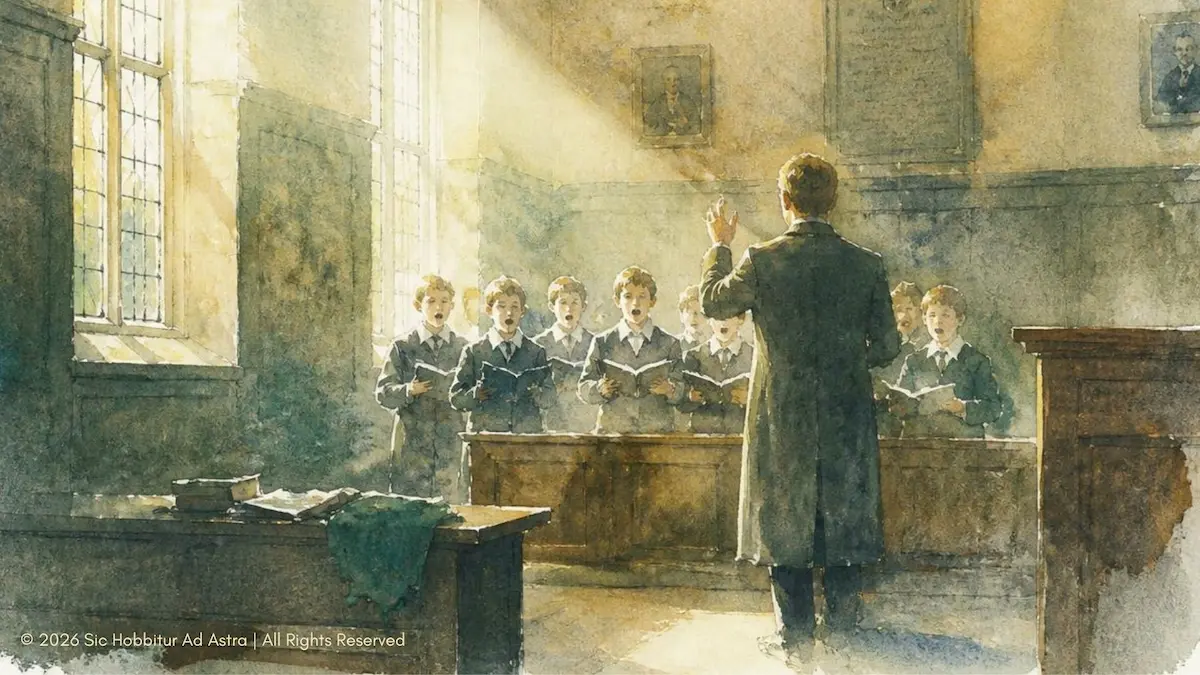 Read more: The Teacher I Want to Become: Why I Show My Students Les Choristes
Once a cycle, a student asks me why I became a teacher. My honest answer runs through my favorite film. Here’s the case for Les Choristes — the movie I show when a class needs to remember what it’s here for.
-
The Myths Hiding in Our Words: Etymology as Close Reading
 Read more: The Myths Hiding in Our Words: Etymology as Close Reading
Panic, narcissism, chaos: students say these words every day, without suspecting each is a Greek myth in disguise. Here is how I use the myths hidden in everyday words to teach etymology as close reading — and to show my students that the ancient world is still alive under their tongue.
-
Teaching Nolan’s The Odyssey: Not Whether to Show It, but Why
 Read more: Teaching Nolan’s The Odyssey: Not Whether to Show It, but Why
Christopher Nolan’s The Odyssey — one of the most talked-about releases of the year — takes enormous liberties with Homer, so does it belong in a serious unit on the poem? The real question, I think, isn’t whether to show it, but why. Here’s the case for what this beautiful, unfaithful film can do in…
-
Why Teach To Kill a Mockingbird: A Novel About Learning to See Each Other
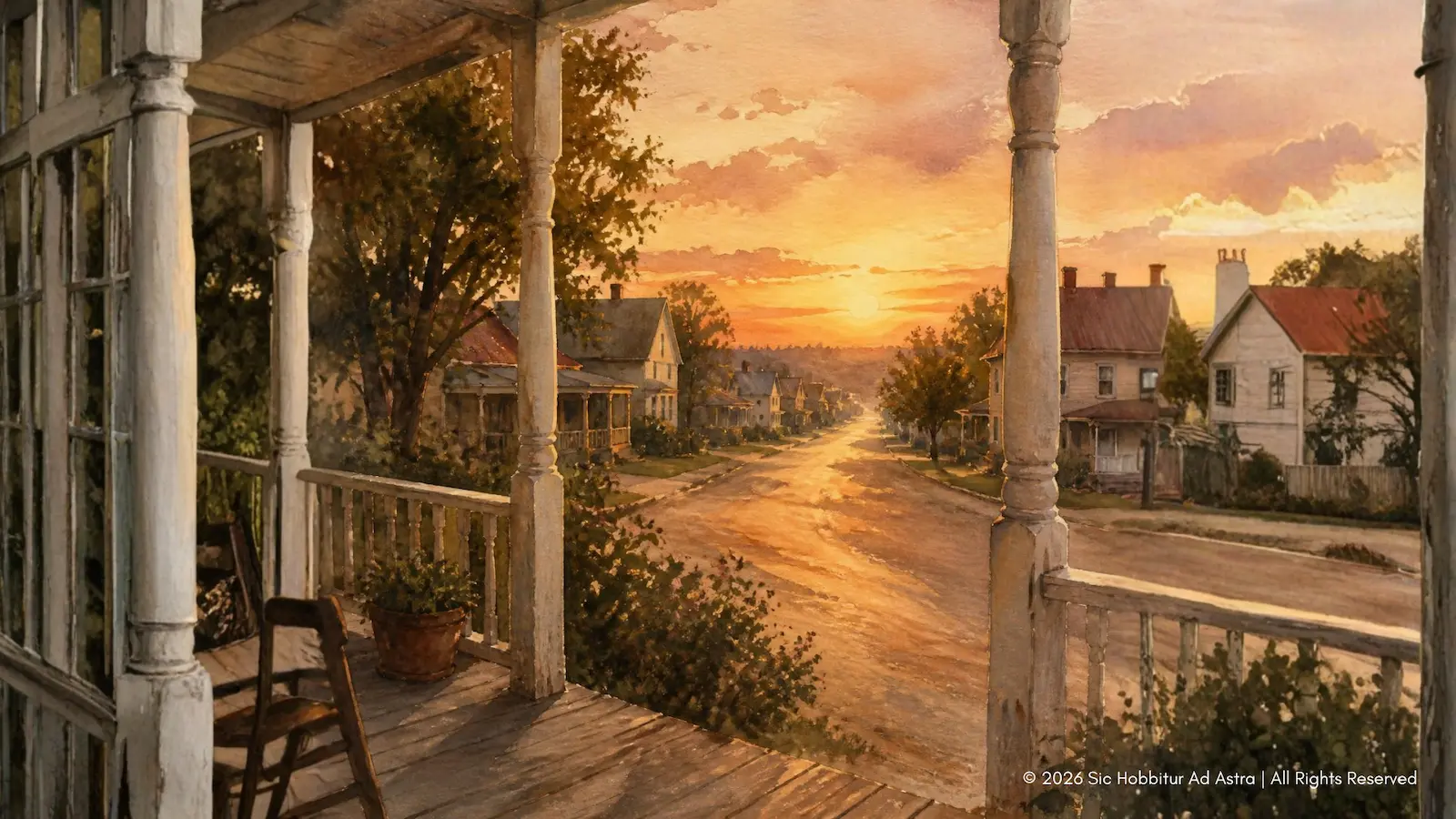 Read more: Why Teach To Kill a Mockingbird: A Novel About Learning to See Each Other
Beyond its themes and its place in the canon, To Kill a Mockingbird teaches something rarer: how to truly know another person — by first being willing to love them. A literature teacher’s case for why the novel is still worth reading, and worth teaching, and how to give it the depth it deserves.
-
Waiting in To Kill a Mockingbird: Why the Slow First Half Is Already the Heart of the Book
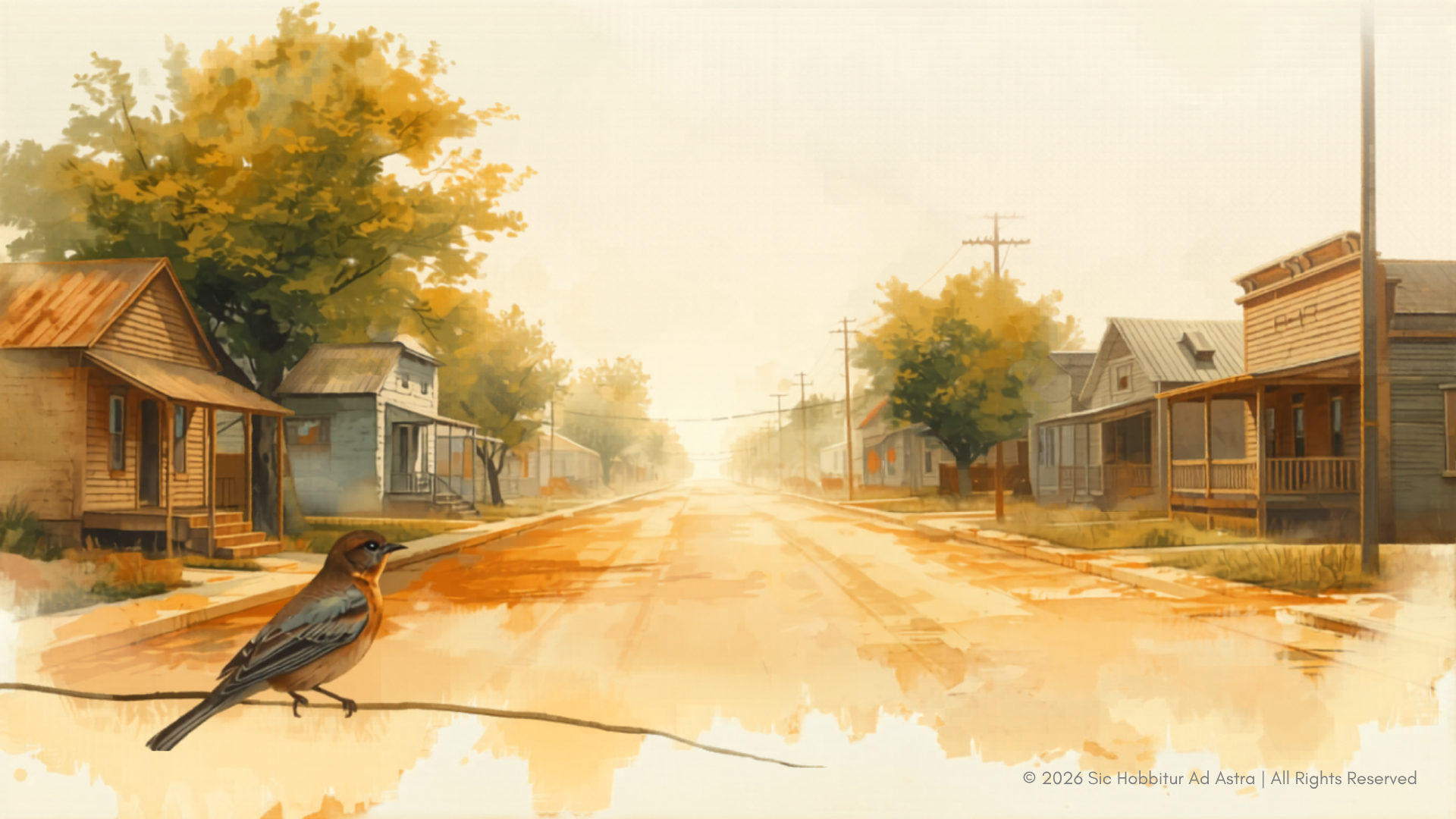 Read more: Waiting in To Kill a Mockingbird: Why the Slow First Half Is Already the Heart of the Book
We tend to rush students toward the trial in To Kill a Mockingbird. But the slow first half is where the novel does its quietest work — teaching us to misjudge Boo Radley before we’re asked to judge Tom Robinson. A teacher’s reading of waiting, with ideas for the classroom.