Key traits that help middle school Readers connect with literary characters
One of the most frequent questions teachers ask themselves when choosing a novel for middle school students is simple and complex at the same time: Will they connect with these characters?
Relatability is not about characters being “similar” to students in a superficial way. It is not about sharing the same age, hobbies, or historical context. Instead, a character becomes relatable when students recognize something deeply human in them: a familiar fear, an internal conflict, or a desire they struggle to name.
Through years of teaching novels such as The Lion, the Witch and the Wardrobe and The Hobbit, one thing becomes clear: students connect most strongly with characters who are vulnerable, internally conflicted, and capable of growth.
Vulnerability: Characters Who Are Unfinished
Middle school students are at a stage where certainty is fragile. They are often expected to “know who they are,” while inwardly feeling unsure, exposed, and easily overwhelmed. Characters who appear flawless or consistently confident tend to feel distant. Vulnerability, instead, creates an immediate bridge.
Edmund Pevensie is a powerful example. His jealousy, resentment, and desire to feel important are not heroic traits, yet they resonate deeply with students. Edmund makes mistakes, hides his shame, and tries to justify his actions—even to himself. Students recognize this emotional pattern because they live it. His vulnerability does not make him weak as a character; it makes him real.
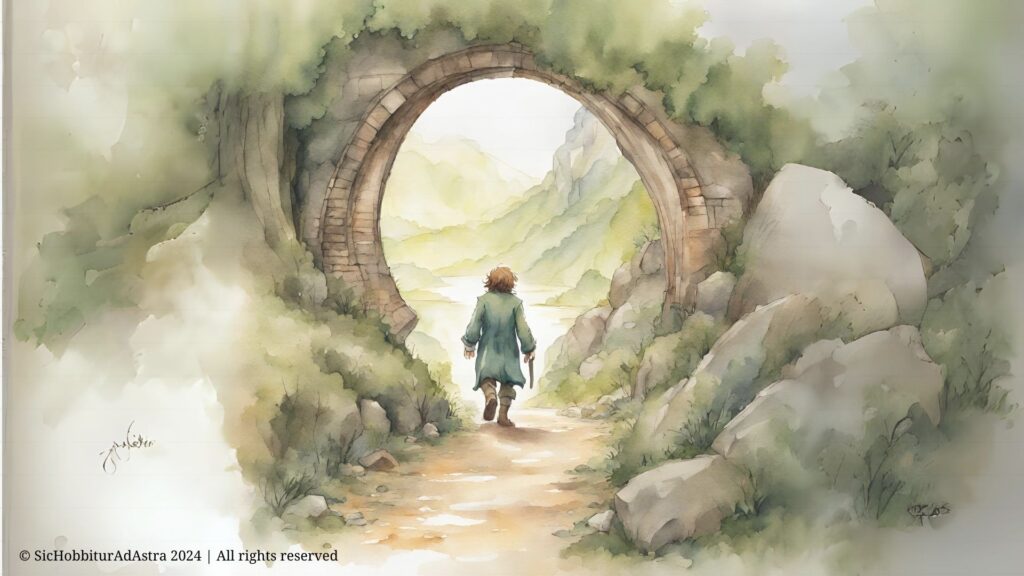
Similarly, Bilbo Baggins begins The Hobbit not as a brave adventurer, but as a hesitant, comfort-loving hobbit who would much rather stay at home. His fear is explicit, often humorous, and never hidden. Students relate to Bilbo precisely because courage is not his natural state—it is something he learns slowly and imperfectly.
Vulnerability also defines characters outside fantasy. In Someone to Run With, Assaf’s uncertainty, awkwardness, and emotional openness make him feel strikingly real. He is not confident or heroic, and he is often unsure of what he is doing—but he keeps going. Students immediately recognize that quiet, everyday courage.
Internal Conflict: The invisible struggles students recognize
What truly anchors students to a character is not external danger, but internal struggle. Middle schoolers are constantly navigating tensions between who they are, who they want to be, and who others expect them to be.
Thorin Oakenshield embodies this kind of conflict powerfully. His struggle is not only against external enemies, but against pride, obsession, and the crushing weight of expectations placed upon him as a king. Students respond to Thorin because his downfall is rooted in recognizable emotions: fear of losing status, the need to prove oneself, and the difficulty of letting go. His inner battle—between leadership and possessiveness, justice and entitlement—shows how admirable qualities can become destructive when left unchecked.
Even in the Iliad, characters are compelling precisely because of their inner conflicts. Achilles’ rage, wounded pride, and eventual grief reveal a character overwhelmed by emotions he cannot fully control. Students may not fight wars, but they understand feelings that seem larger than themselves.
Internal conflict also grounds more realistic narratives. In To Kill a Mockingbird, Scout’s struggle is not dramatic in a traditional sense, but it is deeply meaningful. She navigates confusion, moral awakening, and the painful realization that the world is not fair. Her questions, misunderstandings, and gradual clarity mirror the intellectual and emotional growth of middle school readers.
These internal conflicts invite students to reflect, not just to follow a plot. They begin to ask themselves questions such as: What would I do in that situation? or Why does this choice feel so difficult?
Growth: Becoming Someone New Without Losing Yourself
Perhaps the most important element of relatability is growth. Middle school students are in the midst of transformation, often without the language to describe it. Characters who change—slowly, unevenly, and meaningfully—offer students a way to think about their own development.
Bilbo Baggins’ journey remains a perfect example. His bravery is not innate, but earned through experience. Importantly, Bilbo never stops being Bilbo. His growth does not erase his love for comfort or peace; it adds new layers to who he already is. Students find reassurance in this kind of evolution.
Edmund’s redemption works in a similar way. His growth includes accountability and forgiveness, not forgetfulness. His past choices matter—and that is precisely what makes his change meaningful. Students respond strongly to the idea that growth is possible even after serious mistakes.
Scout’s growth, too, is subtle but profound. By the end of To Kill a Mockingbird, she has not become an adult, but she has gained perspective, empathy, and moral awareness. Her journey suggests that growing up is not about having all the answers, but about learning how to ask better questions.
Why Relatability Matters in the Classroom
What unites these characters—from ancient epics to modern novels—is not heroism, age, or context. It is their unfinished nature. They doubt, fail, change, and try again. They do not offer students perfect models to imitate, but complex humans to encounter.
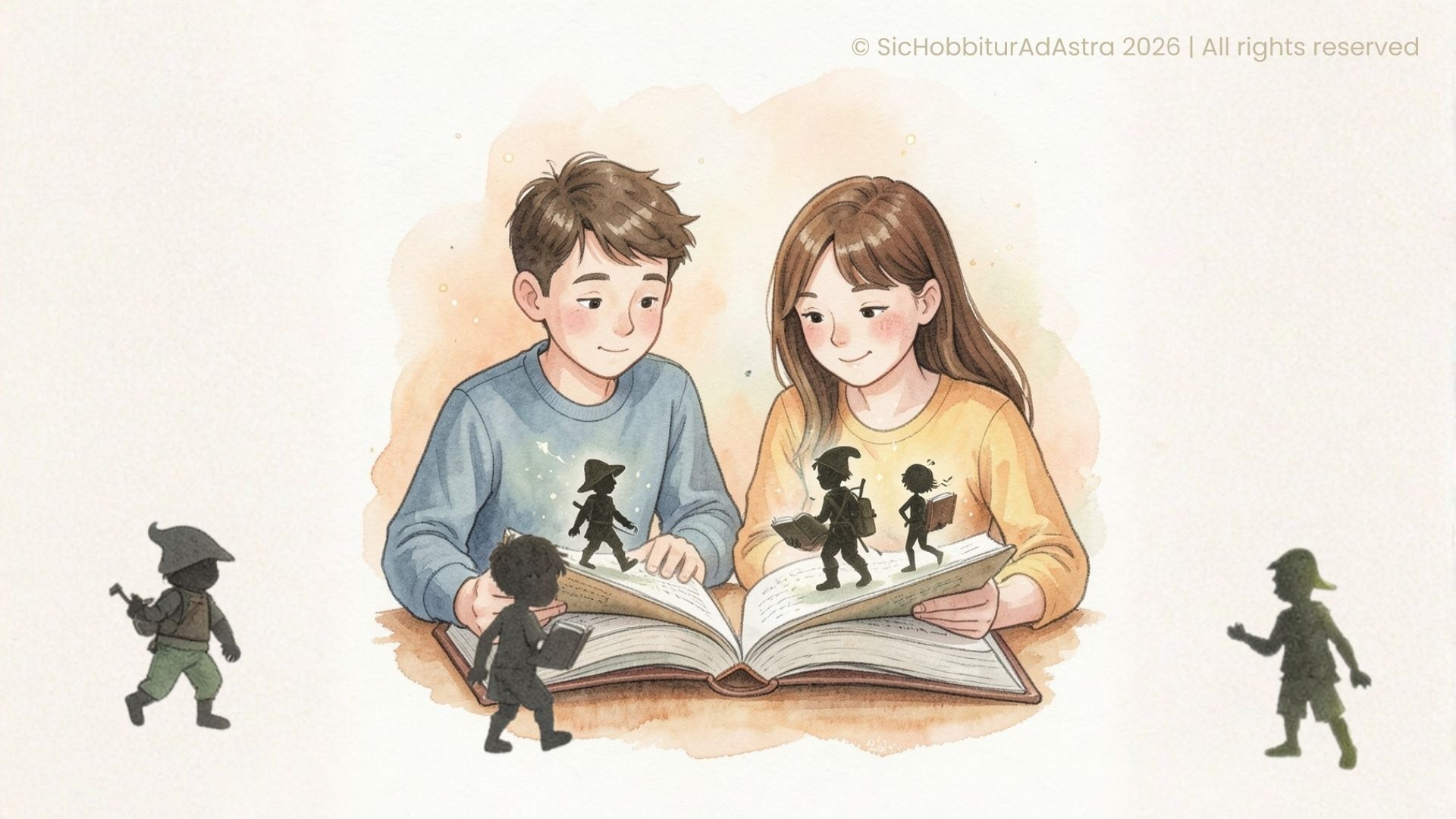
Every reading experience represents an encounter with another person. When students meet characters who reflect their own fears and hopes, literature becomes a space for recognition rather than performance. It invites them to think, to feel, and to grow alongside the characters they follow.
And that is why these characters stay with them—long after the last page is turned.
Thanks for reading!
Which character—ancient, modern, realistic, or fantastical—did you feel closest to when you were a middle school reader, and why?
Warmly,
Chiara
Further Reading
Many of the characters and novels mentioned in this article are explored more deeply elsewhere on the blog. If you would like to continue this reflection, you may enjoy the following posts:
- Someone to Run With – Click here!
An exploration of vulnerability, emotional openness, and quiet courage in a contemporary coming-of-age novel. - Atticus Finch: Character Analysis – Click here!
A closer look at moral integrity, responsibility, and the complexity of ethical role models. - Friendship in The Hobbit – Click here!
A reflection on companionship, trust, and how relationships shape personal growth in Tolkien’s novel. - The Magician’s Nephew: Themes – Click here!
An analysis of creation, temptation, and moral choice in one of the most philosophically rich Narnian novels. - The Lion, the Witch and the Wardrobe: Themes – Click here!
A thematic exploration of sacrifice, redemption, and the struggle between good and evil. - Key Themes of The Hobbit – Click here!
An overview of the novel’s central ideas, including growth, courage, and the meaning of home.
Readers interested in didactic perspectives may find additional reflections and classroom-focused insights throughout the blog. Explore the posts and follow the paths that spark your curiosity!