A Reflection-Based Approach to Help Students Become a Team
One of the greatest challenges we face as teachers is not content-related—it’s relational.
A class can be academically strong and still struggle to function as a true team. Building trust, empathy, and a sense of belonging takes time, intention, and the right opportunities for students to truly see one another. This is where classroom community building activities can make a real difference.
Over the years, I’ve found that film-based discussions—when carefully structured—can open doors that traditional conversations sometimes leave closed. Remember the Titans is one of those films that naturally invites students to reflect on fear, prejudice, identity, and growth.
Why Remember the Titans Works So Well with Students
At its core, Remember the Titans is a story about encounter.
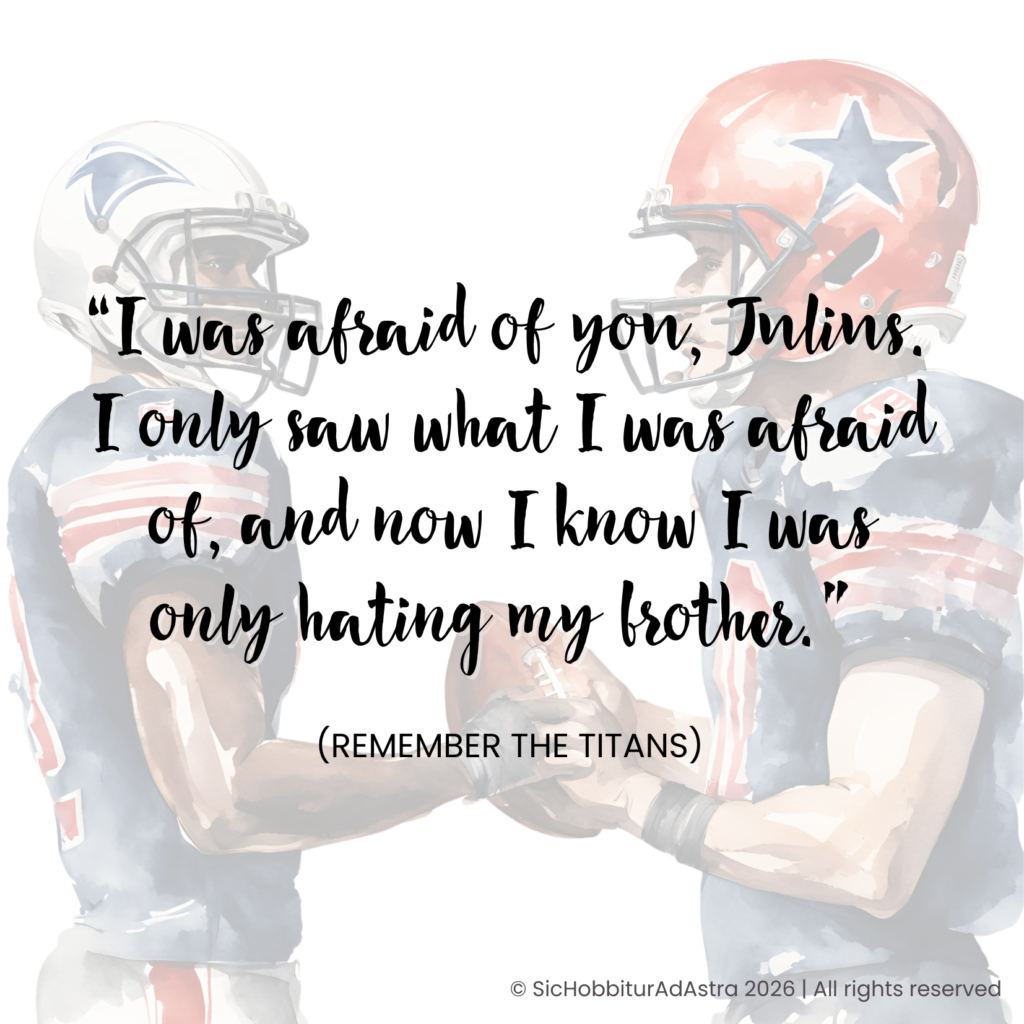
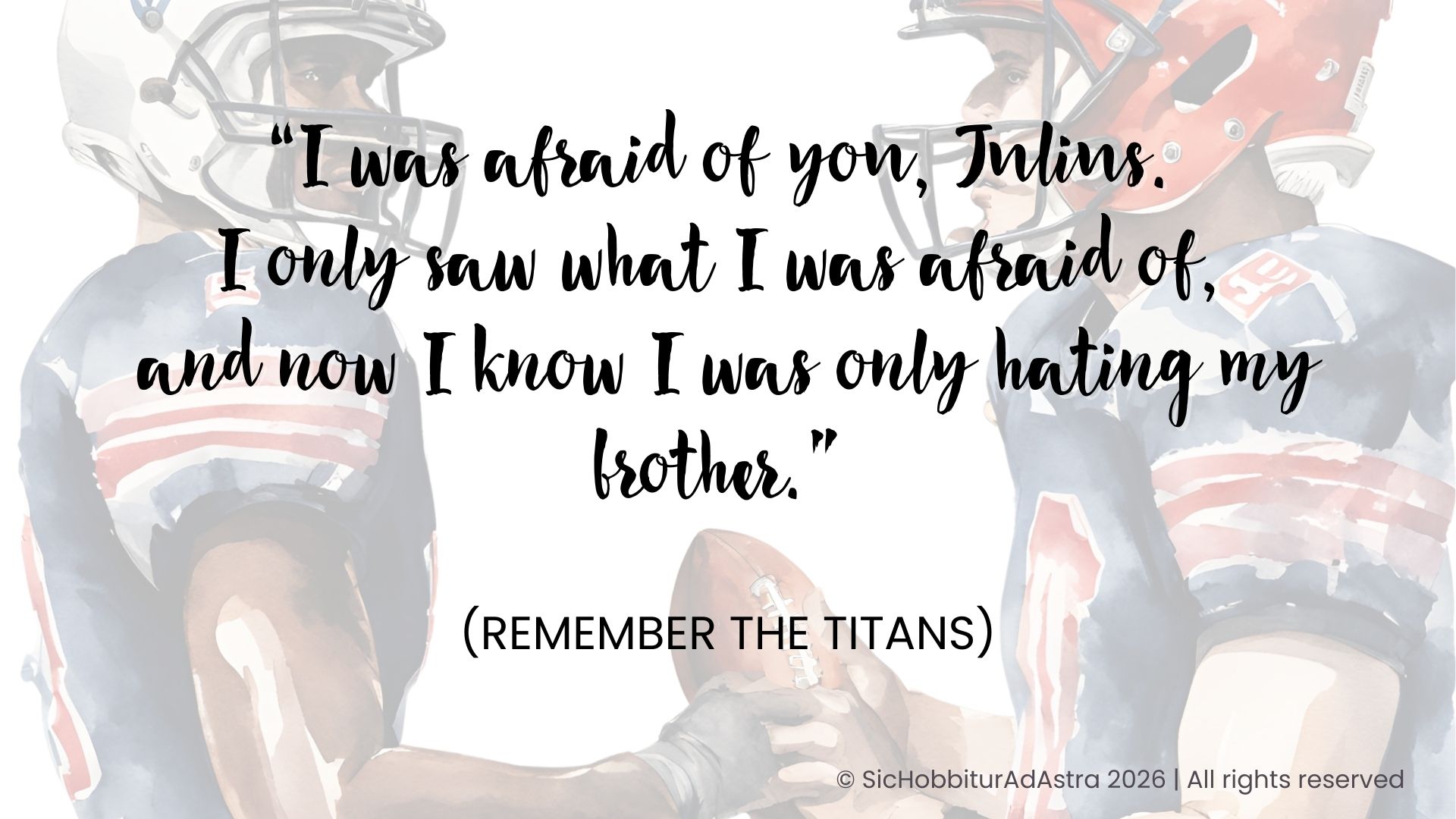
Set in the early 1970s, the film follows a high school football team forced to integrate after the desegregation of schools in Virginia. Players from different racial backgrounds, initially divided by fear, prejudice, and resentment, are required to live, train, and play together under the guidance of Coach Boone. What begins as open hostility slowly evolves into mutual respect and, eventually, genuine friendship—most notably in the relationship between team captains Gerry Bertier and Julius Campbell.
Gerry and Julius don’t change because someone tells them to. They change because they are placed in situations that force them to listen, to share, and to confront their own assumptions.
That dynamic mirrors what often happens in our classrooms.
Students may sit next to one another every day, yet remain strangers. Others may carry labels—self-imposed or assigned—that prevent genuine connection. Remember the Titans offers a powerful narrative starting point to explore these dynamics in a safe and meaningful way, allowing students to reflect on division, growth, and the possibility of becoming a true team.
From Viewing to Reflection: A Classroom Community Building Approach
When I work with Remember the Titans in the classroom, I try to move students beyond discussion and toward experience. Over time, I’ve found that what works best is a structured reflection path that allows students to gradually shift from individual thinking to shared understanding.
The approach I propose is simple and intentional. It is built around three progressive steps:
- individual reflection
- guided interaction in pairs
- a final whole-class discussion
Each step serves a specific purpose and prepares students for the next. This structure helps create a safe environment in which students can reflect honestly, listen attentively, and begin to see their classmates not just as peers, but as teammates.
Step 1: Personal Reflection
The first step focuses on individual reflection.
After watching the film, I ask students to pause and think quietly about what they have seen. Rather than starting with a general discussion, I guide them through questions connected to key moments in the story—particularly the evolving relationship between Gerry and Julius.
At this stage, students reflect on themes such as:
- how conflict emerges,
- what causes change,
- and whether their own class can be considered a “team.”
This moment of personal reflection is essential. It allows students to examine their own thoughts and attitudes before engaging with others, laying the groundwork for more meaningful interaction.
Step 2: Partner Work as Intentional Encounter
The second step shifts the focus from self-reflection to encounter.
Inspired by Coach Boone’s decision to pair players who would not naturally choose each other, I intentionally pair students who do not usually work together. The goal is not efficiency, but connection.
Students take turns asking and answering guided questions about personal hopes, dreams, and future aspirations. Listening becomes the central skill. By focusing on who the other person is—not how they perform academically—students often begin to see their classmates in a new light.
This step can be repeated over time with different pairings, making it a flexible team building activity for students that grows with the class.
Step 3: Sharing and Making Meaning Together
The final step brings the class back together.
In a guided whole-class discussion, students reflect on what the experience revealed—about themselves, about their partner, and about the group as a whole. I encourage them to think about why they were asked to complete the activity and how it connects to the idea of being a team.
This collective reflection helps transform individual insights into shared understanding. It reinforces the message that learning is relational and that building classroom community requires attention, listening, and openness from everyone involved.
Why Classroom Community Building Activities Like This Matter
Reflection-based activities like this:
- encourage empathy and self-awareness,
- support social-emotional learning in an authentic way,
- and help students experience—not just discuss—what it means to belong to a community.
They don’t require elaborate materials or long preparation, but they do require intention. Sometimes, the most meaningful learning happens when we pause academic content long enough to work on how students relate to one another.
A Quick Note for Busy Teachers
If you’re looking for a ready-to-use classroom community building activity inspired by Remember the Titans, I’ve created a structured reflection resource that follows the exact progression described above. It’s designed for teachers who want to focus on connection and social-emotional learning without having to build everything from scratch.
You can find it here:
More than anything, I hope these ideas spark reflection and adaptation in your own practice—because every class, like every team, has its own story.
Warmly,
Chiara